


Early antivirals, not antibiotics key to fighting H1N1
Category: Health
Share
Archive
Like
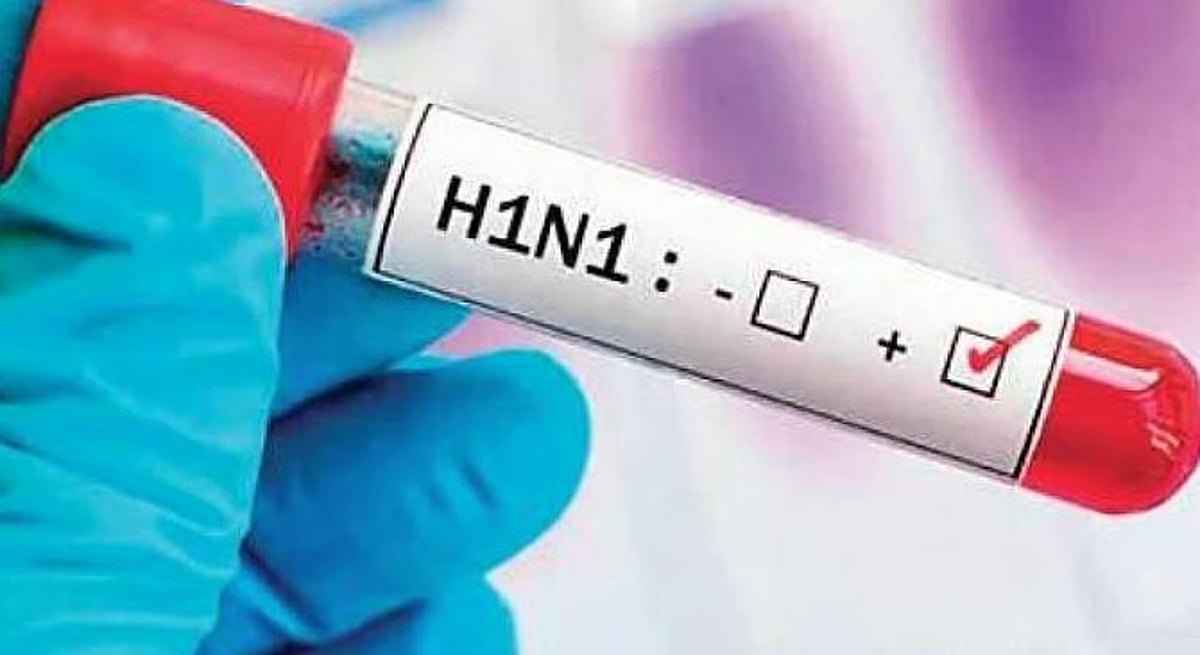
When seasonal H1N1 strikes, the difference between a mild, manageable fever and a life-threatening respiratory crisis often comes down to a matter of 48 hours. Yet across busy outpatient clinics and casualty wards, a troubling pattern repeats itself during every seasonal surge. Patients with high fever, dry cough, and intense body aches are routinely leaving primary healthcare facilities with standard prescriptions for broad-spectrum antibiotics, cough suppressants, and simple paracetamol. Five to six days later, these same patients arrive at tertiary referral centres in critical condition — hypoxic, gasping for air, and progressing rapidly toward acute respiratory distress syndrome.
The underlying driver of this severe clinical trajectory is not a novel or mutated strain of the influenza virus, but rather a widespread systemic failure to utilise the critical therapeutic window during the initial phase of infection.
At its onset, severe H1N1 can be clinically difficult to distinguish from routine viral fever. 'H1N1 influenza primarily presents with sudden upper respiratory symptoms that closely mimic routine seasonal flu—persistent dry cough, sore throat, nasal congestion, high fever, and extreme body aches,' explains Dr P S Shajahan, professor and head of pulmonary medicine at Government Medical College, Kollam. 'While mild cases resolve on their own, the virus can rapidly invade the respiratory tract and lung parenchyma, causing severe complications like viral pneumonia or acute respiratory distress syndrome.'
Distinguishing a routine seasonal uptick from a genuinely concerning surge requires primary care physicians to look beyond raw patient volumes. According to Dr Aishwarya R, consultant in infectious diseases at Aster RV Hospital, Bengaluru, spike in H1N1 cases does not automatically signal an unusual shift in the strain. 'Physicians must evaluate the age distribution of cases, overall severity, hospital and intensive care admission rates, and the frequency of complications like viral pneumonia, myocarditis, or secondary bacterial infections,' she notes. 'When we see a higher incidence of severe respiratory failure in otherwise young and healthy individuals, local surveillance becomes extremely important.'
A note on cookies
Newshunt uses essential cookies to keep you signed in and to remember your language and country, so the site works the way you expect. With your permission, we'd also like to use analytics cookies to understand how people use Newshunt and improve it over time.
Accepting only affects analytics. To learn more, view our Privacy Policy or Terms & Conditions.
(0)Comments