


Kenya Clarifies EAC Trade Policy, Launches Registration for Undocumented Nationals
Category: Politics
Share
Archive
Like
NAIROBI — The Kenyan government has opened a formal documentation and registration window for undocumented East African Community (EAC) nationals living and working in the country, following growing anxiety over President William Ruto's directive targeting foreigners engaged in small-scale trade.
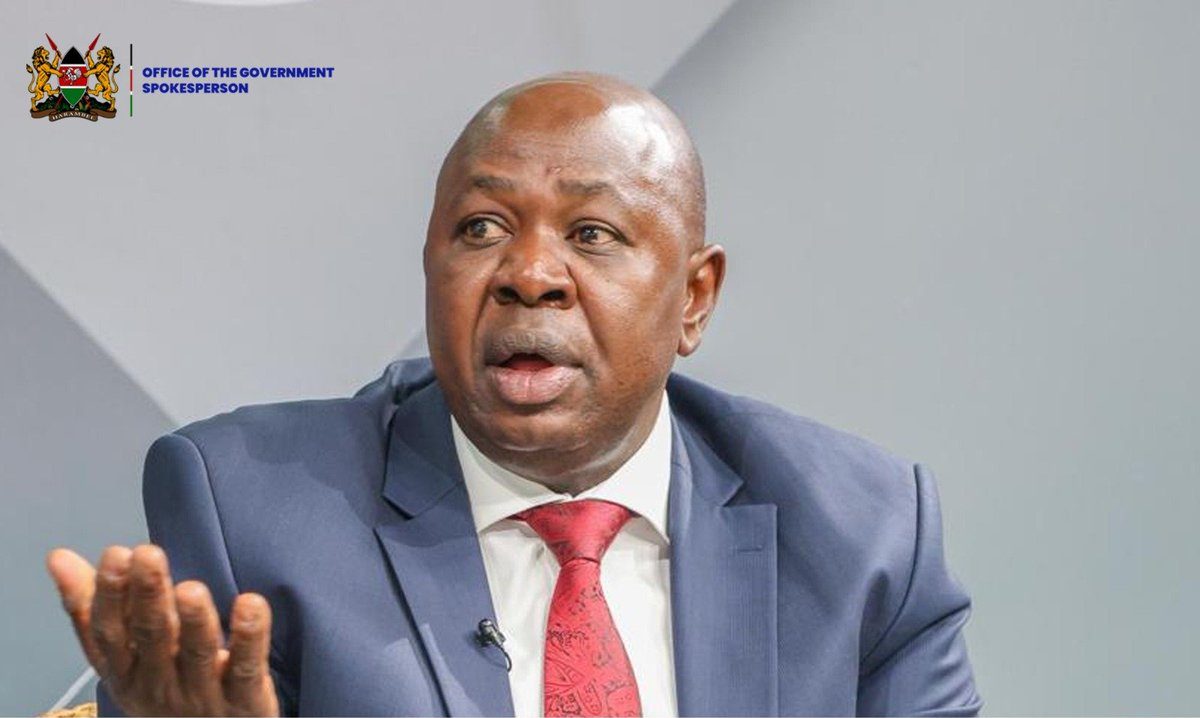
The move was announced by Government Spokesperson Charles Owino on Monday as the government sought to clarify that the directive is intended to regulate informal trade and protect local livelihoods, rather than amount to a blanket expulsion of foreign nationals.
President Ruto on September 2 directed the government to begin enforcement against foreigners involved in hawking and other small-scale businesses from September 7, arguing that such activities should provide opportunities for Kenyan citizens.
The directive triggered concern among foreign traders, particularly East African nationals. Hundreds of Burundians were reported to have sought documentation at their embassy in Nairobi amid fears that they could be forced to leave the country.
In a statement issued from the Office of the Government Spokesperson, Owino said the new registration window would provide undocumented EAC nationals with an opportunity to regularise their status.
The government has specifically called on undocumented Burundian citizens to present themselves to their respective High Commissions or embassies for identity registration.
During the registration period, the government said individuals undergoing the process will be presumed legally present in Kenya, giving them temporary protection as their documentation is processed.
The government said the arrangement is intended to bring undocumented migrants into the formal system and enable them to access services such as healthcare, banking and legal protections without fear.
Kenya's Ministry of Foreign Affairs will work with the Embassy of Burundi and other regional partners to manage the process, according to the statement.
The government also directed security agencies, local authorities and businesses not to subject foreign nationals—whether documented or undergoing registration—to arbitrary harassment or discrimination.
It warned that individuals who exploit the situation to promote xenophobia or mistreat Kenya's neighbours would face the law.
The clarification comes amid criticism and confusion over the implementation of the September 2 directive. President Ruto had said foreigners engaged in small businesses and hawking should stop, while also pushing for legislation to restrict foreign participation in certain areas of small-scale trade.
The government says the measures are linked to the proposed Local Content Bill, 2025, which it says is intended to protect vulnerable sectors of the Kenyan economy and ensure that local communities benefit from economic opportunities.
Kenya has rejected reports portraying the measures as a blanket ban on foreigners, insisting that its commitment to the EAC Common Market Protocol remains intact.
The government described East African neighbours as part of Kenya's shared regional community and said their historical, cultural and economic ties made cooperation essential.
The announcement has come as concerns over the treatment of foreign traders continue to grow. On Monday, reports emerged of Burundians gathering at their embassy in Nairobi seeking passports and emergency travel documents, with some considering leaving Kenya amid fears over their status.
The Kenyan government, however, maintained that the registration exercise is designed to regularise undocumented residents rather than force them out.
The development also comes as regional legal and political voices question whether enforcement against foreign traders can be reconciled with Kenya's obligations under the EAC Common Market, which provides for the movement of people, labour and services among member states.
Kenya has maintained that its approach is based on regulating economic activity and protecting citizens' livelihoods while upholding the rights and dignity of lawful foreign residents.
The government said further administrative details on the registration and documentation process would be communicated through the respective foreign missions.
A note on cookies
Newshunt uses essential cookies to keep you signed in and to remember your language and country, so the site works the way you expect. With your permission, we'd also like to use analytics cookies to understand how people use Newshunt and improve it over time.
Accepting only affects analytics. To learn more, view our Privacy Policy or Terms & Conditions.
(0)Comments