


CBD may fall short in treating alcohol use disorder, despite promising animal studies
Category: Health
Share
Archive
Like
This article has been reviewed according to Science X's editorial process and policies . Editors have highlighted the following attributes while ensuring the content's credibility:
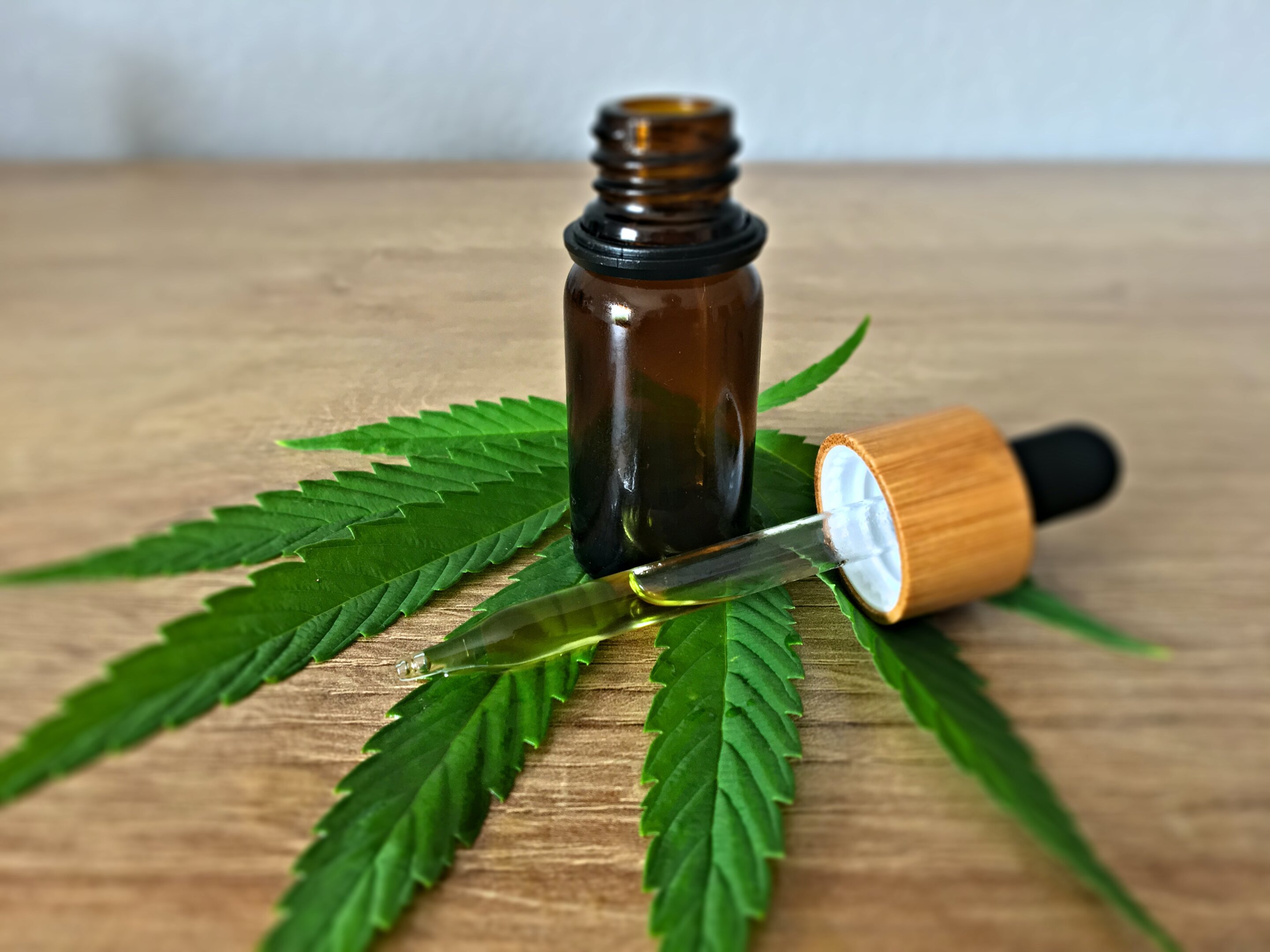
Credit: Unsplash/CC0 Public Domain
Evidence for the effectiveness of cannabidiol (CBD) as a treatment for alcohol use disorder (AUD) remains elusive, though ongoing research is warranted, according to an updated review of studies.
Expanding pharmacological treatment options for AUD is a key therapeutic goal, given the modest effects of the three existing FDA-approved medications. CBD appears to modify neurotransmitter systems involved in regulating emotion and executive functions dysregulated in AUD, as well as the rewarding effects of alcohol, and may influence relevant interactions between the gut, immune system and nervous system.
A 2019 review summarized somewhat promising alcohol-related findings in animals, but human trials were scarce. For the new review, in Alcohol: Clinical & Experimental Research, investigators evaluated 29 newer studies that explored the therapeutic potential of CBD for drinking and other alcohol-related outcomes.
The findings of 16 preclinical animal studies included evidence that CBD suppresses drinking, moderates alcohol's effects on the nervous system and liver, and eases behaviors linked to relapse. Data on alcohol reward and motivation in animals were mixed.
Across nine human studies, however, evidence of effectiveness was slight. The role of CBD in reducing drinking, suggested by some less methodologically rigorous studies of real-world use, has not been borne out by clinical trials, and CBD's effect on alcohol craving appears inconsistent. Researchers have not found positive results for neurometabolism in humans, and effects on liver disease and neurodegeneration remain understudied.
The contrasting outcomes between animal and human studies may relate to dosing schedules and CBD administration. Oral administration is known to limit CBD's effectiveness; in animals, researchers use alternative methods that are impractical in humans. Several clinical studies involved a single session of oral CBD use, which may be insufficient. Most studies also used pure CBD, though CBD formulations commonly include small amounts of THC and other cannabinoids, which may act synergistically to exert therapeutic effects.
Ongoing research may nevertheless find that CBD has a role in AUD treatment. The reviewers recommend that clinical trials use more rigorous methodology and evaluate CBD combined with small amounts of THC and other cannabinoids. Analyzing outcomes by behavioral types (e.g., impulsivity levels) may reveal effectiveness among certain subgroups.
More information
Claire L. Pince et al, Cannabidiol and Alcohol Use Disorders: An Updated Review of Therapeutic Potential, Alcohol, Clinical and Experimental Research (2026). DOI: 10.1111/acer.70377
Clinical categories PsychiatryClinical pharmacology
A note on cookies
Newshunt uses essential cookies to keep you signed in and to remember your language and country, so the site works the way you expect. With your permission, we'd also like to use analytics cookies to understand how people use Newshunt and improve it over time.
Accepting only affects analytics. To learn more, view our Privacy Policy or Terms & Conditions.
(0)Comments