


Exploring the Vibrant World of Female Koi Betta Fish
Category: Entertainment
Share
Archive
Like
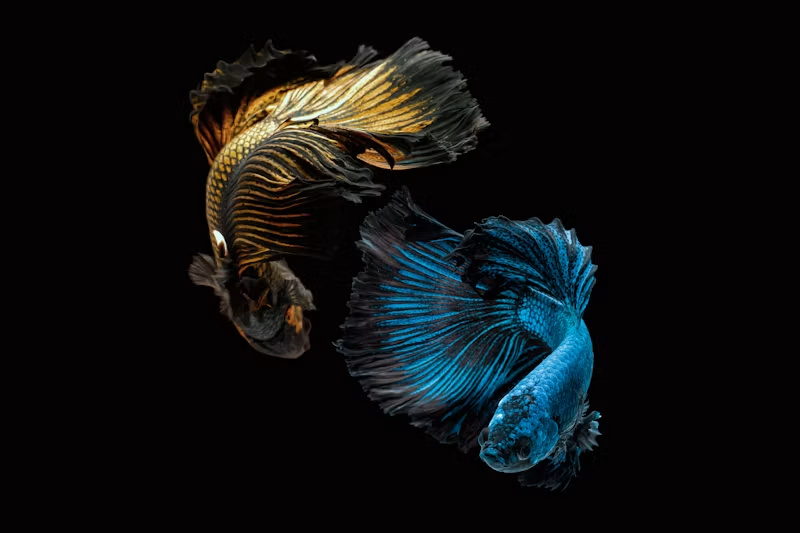
The stunning female Koi Betta collection offers a kaleidoscope of colours and patterns, making them a captivating choice for aquarists and hobbyists. Known for their intricate blends of red, orange, white, black, and sometimes blue, female Bettas are not just eye-catching but also bring diversity to any aquarium. As living canvases, these fish exhibit a range of patterns akin to those of koi, from which they derive their name, making them a standout species in the aquatic world.
Characteristics of Female Koi Betta Fish
Female Koi Bettas, like their male counterparts, have a labyrinth organ that allows them to breathe atmospheric air. This adaptation makes them suitable for various aquatic environments, provided they have access to the surface. Female Koi Bettas can be territorial, although individual temperaments vary. Some females may tolerate suitable tank mates, while others may become aggressive. Their smaller size and less extravagant fins do not diminish their beauty—rather, their graceful movements and vibrant colours often make for a mesmerising display.
While males are typically celebrated for their elaborate finnage, female Koi Bettas showcase a more subtle elegance. Their fins may not be as long but are often rich in colour and pattern. They offer a unique appeal, enticing those looking to add a dynamic yet harmonious element to their aquatic setup. Despite their perceived gentleness, it is crucial to monitor their behaviour as individual temperaments can vary, particularly during spawning or when establishing a hierarchy within a group.
Requirements for a Healthy Habitat
Providing a healthy habitat for female Koi Bettas involves ensuring clean water, adequate space, and appropriate tank mates. Water quality is paramount as Bettas are susceptible to poor conditions, which can result in health issues. Regular water changes, maintaining an optimal temperature between 24-30°C, and proper filtration are key factors to consider.
Ideally, the aquarium should be decorated with plants and places for the fish to hide, creating an environment that mimics their natural habitat. Some experienced aquarists keep female Bettas in groups known as sororities, but this can be challenging because aggression and territorial behaviour may occur. A sorority requires careful planning, sufficient space, plenty of hiding places and close monitoring. Introducing them to the aquarium simultaneously can help reduce territorial disputes. Compatible tank mates might include peaceful species such as snails or certain tetras, though this must be approached with caution and constant observation.
Breeding and Genetics
Breeding female Koi Betta collection requires a foundational understanding of their genetics. The colouring of Koi Bettas is influenced by a marble gene, which causes their patterns and colours to change over time. This means that a fish's appearance can evolve significantly throughout its lifespan, often resulting in a continually unique pattern that only adds to their appeal.
The breeding process for female Koi Bettas can be rewarding, yet requires patience and attention to detail. Males and females should be conditioned with a high-protein diet before breeding. Once the female is ready, she will display vertical stripes, indicating her readiness to mate. After the eggs are fertilised and placed in a bubble nest, the male usually assumes the role of protector, and the female should be removed to prevent stress or injury.
Raising fry involves maintaining optimal conditions, with particular care taken to nurture their fragile health and growing bodies. Additionally, attention must be given to feedings, as infrequent or incorrect feeding schedules can impact their development and colouration.
Diet and Feeding Habits
The diet of female Koi Bettas is crucial to their health and vibrancy. In the wild, Bettas are insectivores, feeding on insects and larvae. In captivity, a balanced diet includes high-quality Betta pellets supplemented with live or frozen foods such as brine shrimp, bloodworms, and daphnia. It is imperative to avoid overfeeding, as this can lead to obesity and water quality issues. A varied diet not only supports their immune system but also enhances their natural colouration.
Feeding should be done in small quantities twice a day, ensuring no uneaten food is left to decompose, which could degrade water quality. Observers will notice that well-nourished Bettas display brighter colours and more pronounced patterns, contributing to the dynamic aesthetic they are known for.
Integrating Female Koi Betta Fish Into Your Collection
Incorporating female Koi Betta Fish into an aquarium is a rewarding experience for many. These fish exhibit personality, intelligence, and a surprising level of interaction with their environment and caretakers. Their active nature and vibrant appearance make them a focal point in any aquatic setup, captivating both novice and experienced aquarists.
When adding female Koi Bettas to an existing collection, quarantine protocols are advised to prevent the introduction of disease. Additionally, the introduction should be managed carefully to ensure a smooth transition, particularly when integrating them into a sorority. Observing their behaviour during the first few weeks can help identify any potential issues or incompatibilities with other inhabitants.
Conclusion
The female Koi Betta collection is a testament to the diversity and beauty found within the aquatic world. With the right care, these fish can thrive, providing endless fascination and aesthetic appeal. Whether admired for their stunning appearance or appreciated for their peaceful nature, female Koi Bettas represent a rich tapestry of colours and patterns that transform any aquarium into a living work of art.
A note on cookies
Newshunt uses essential cookies to keep you signed in and to remember your language and country, so the site works the way you expect. With your permission, we'd also like to use analytics cookies to understand how people use Newshunt and improve it over time.
Accepting only affects analytics. To learn more, view our Privacy Policy or Terms & Conditions.
(0)Comments