


OSHA Top 10 Violations Series - Page 1
Category: Health
Share
Archive
Like
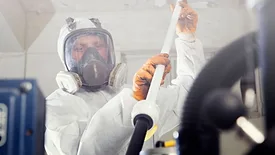
Fit testing, training, medical evaluations, and written programs help restorers stay compliant
Learn about the key OSHA respiratory protection requirements that restorers need to know from medical evals to written programs.
Read More
OSHA 1926 ladder safety requirements you need to understand that help reduce falls, injuries, and citations
Learn about OSHA's ladder safety requirements for restorers, including ladder use, training, inspections, and best practices that help reduce falls and citations.
Read More
Learn about OSHA hazard communication requirements that include chemical inventories, labeling, employee training, safety date sheet (SDS) management, and compliance for best practices for restorers.
Read More
Understanding OSHA 1926.501 and how restorers can prevent the most cited safety violation
Learn OSHA fall protection requirements under 1926.501 and how restoration contractors can prevent violations and protect workers.
Read More
How OSHA's most cited violations reveal hidden risks, and where restorers need to strengthen safety systems
The restoration industry lacks an industry-specific labor code, but OSHA's Top 10 violations offer clear insights into the safety gaps restorers face every day. Here's what each violation means for your teams and how you can use this data to improve compliance, reduce injuries, and protect your business.
Read More
A note on cookies
Newshunt uses essential cookies to keep you signed in and to remember your language and country, so the site works the way you expect. With your permission, we'd also like to use analytics cookies to understand how people use Newshunt and improve it over time.
Accepting only affects analytics. To learn more, view our Privacy Policy or Terms & Conditions.
(0)Comments