


Warsh has plenty of excuses to delay a rate hike
Category: Financial
Share
Archive
Like
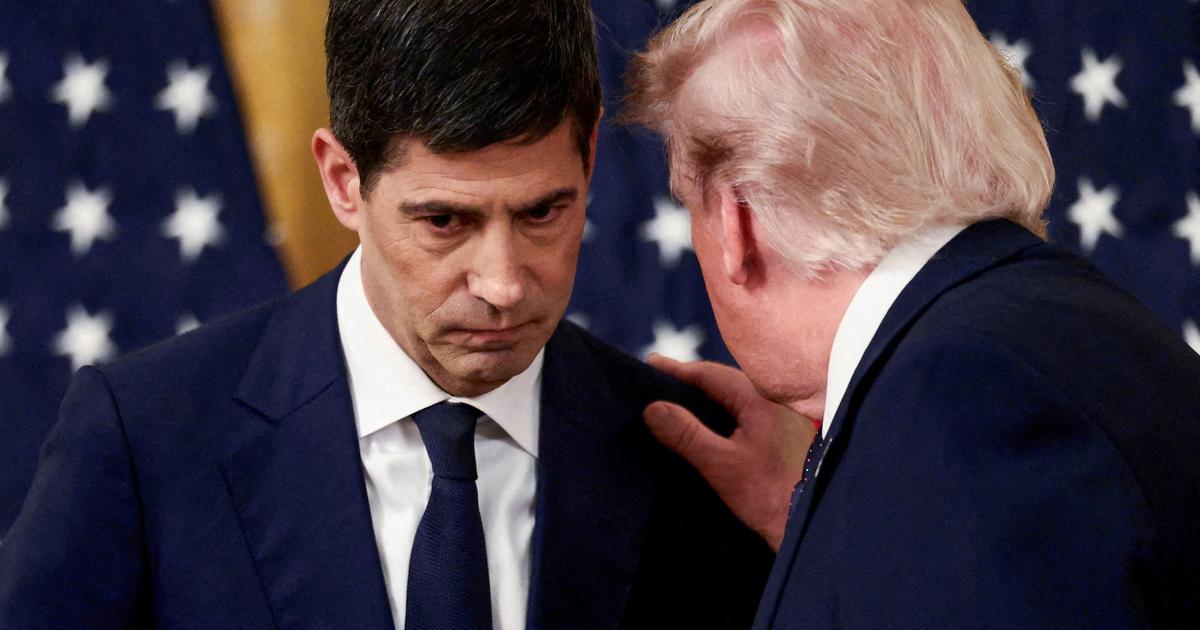
There are reasons for Kevin Warsh to raise interest rates next week — though President Donald Trump's new Fed chief was chosen to keep rates low — and there's no shortage of possible excuses to perpetually wait and see.
First, Friday's job report was stronger than expected, but doesn't show an overheating labor market that could spark a wage spiral (though the Buc-ee's pay scale is worth watching). Restaurants, hospitals, and local government education departments — it was back-to-school season for much of the US — added workers, but white-collar jobs vulnerable to AI disappeared in larger numbers than in prior months. The Fed can argue it shouldn't dampen an economy on the precipice of labor-market calamity that some economists and tech leaders, including Bill Gates, warn is coming.
That shifts the focus to inflation, which is stuck above the Fed's 2% target, but only slightly, and has been moving lower. The consumer price index comes out on Friday, but the Fed's preferred inflation index, which focuses less on household baskets and more on business surveys and macro data, won't be released until the end of September, after the central bank's next rate-setting decision — another reason to sit tight.
Warsh can also argue that his plan to let financial markets take the lead needs time to play out. Mortgage rates have been ticking up, reaching 6.71% last week, even as the Fed has left baseline interest rates untouched, which provides some evidence that the market is speaking. And Treasury's bond-market intervention might have muddied market signals, so Warsh can credibly argue for time.
He'll have to guard his hawkish flank, led by Cleveland President Beth Hammack, but likely has enough allies to avoid a hike that would fall in the home stretch of the midterms and invite Trumpian fury. More likely: Warsh will play the part he was cast in.
A note on cookies
Newshunt uses essential cookies to keep you signed in and to remember your language and country, so the site works the way you expect. With your permission, we'd also like to use analytics cookies to understand how people use Newshunt and improve it over time.
Accepting only affects analytics. To learn more, view our Privacy Policy or Terms & Conditions.
(0)Comments