


Where in the World Is the Cybercab Going?
Category: SciTech
Share
Archive
Like
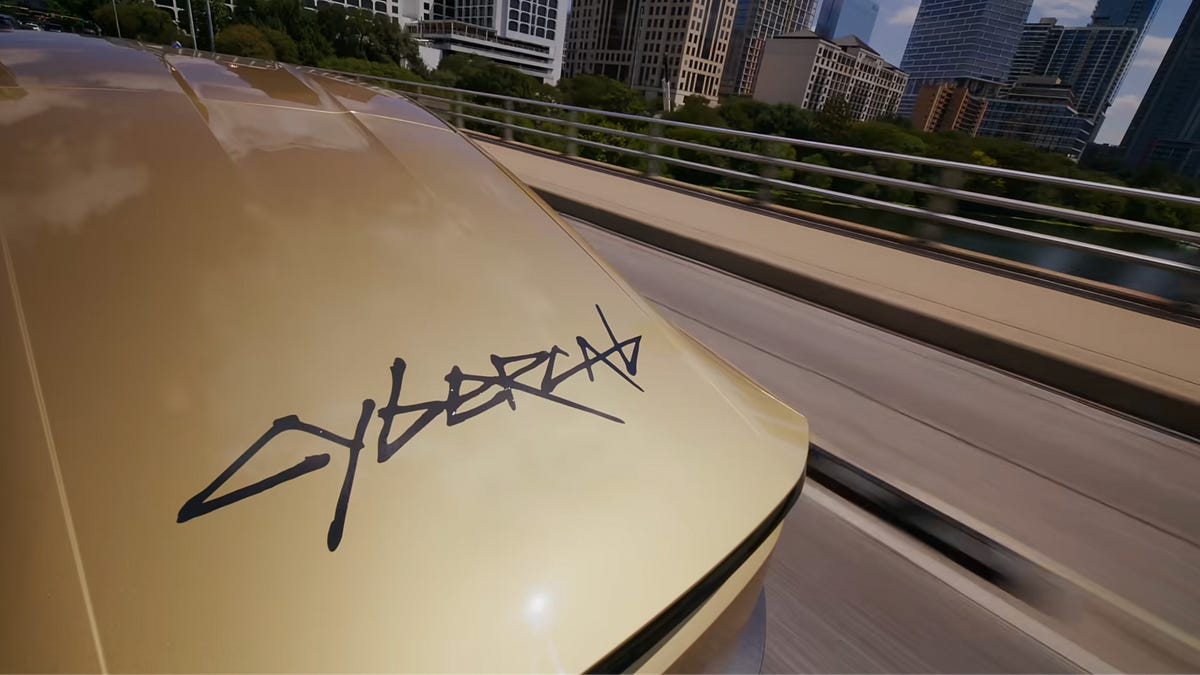
Tesla opened public Cybercab rides in Austin on September 4, four days ago, after an invite only launch the night before. Riders hail it in the same Robotaxi app already used for unsupervised Model Y trips. The two seater has no steering wheel and no pedals. Butterfly doors, a center screen, and, Tesla says, a trunk that takes two check in bags and two carry-ons. Texas has 45 Cybercabs on the commercial roster. The rest of Tesla's Texas fleet is still Model Ys, about 375 of them in a statewide pool of roughly 420 robotaxis. At the launch, Tesla also said the unsupervised robotaxi network had passed one million miles with no one in the driver's seat. Almost all of those miles were Model Ys. That is the state of play, the interesting part is what it implies from here.
Waymo is still the larger operator. It runs more vehicles, more cities, and far more weekly paid rides, with a fully autonomous mileage lead measured in the hundreds of millions rather than one million. Tesla is the smaller fleet with the cheaper hardware bet. The comparison that keeps coming up is Nokia and the iPhone. Nokia had the phones, the stores, and the installed base. The product that followed was built around a different assumption about software and cost. Waymo's current cars still carry a sensor stack that analysts often price in six figures per vehicle, even as the next generation comes down. Tesla's target for Cybercab has been under $30,000. Even if those numbers move, the gap is the point. A robotaxi that costs a fraction of the rival unit can lose on city count for a while and still win on how many cars a dollar buys.
Austin remains the only city where a Cybercab can be booked so far. The Model Y service already covers Dallas, Houston, Miami, Orlando, and Tampa. Nevada approved Tesla for Clark County, including Las Vegas, with room for thousands of vehicles. That service is not live yet. Cybercabs have been spotted on transporters and streets well beyond Texas, and Tesla is putting show cars in Hong Kong, Tokyo, Beijing, and Shanghai this month. Those Asia stops are displays, not service. The pattern looks like the Model Y rollout: prove the car in Austin, then drop it into cities that already have the app, the geofence, and the support staff.
Fares are still early and messy. Austin's published Model Y card has been around $3 plus $1.40 a mile. One of the first posted Cybercab trips came in under $10 for a short Austin ride that quoted more in a Model Y robotaxi and more again on Uber with tip. Other same day quotes went the other way, with Uber cheaper and Tesla waits stretching past 40 minutes because there are not enough gold two seaters on the street. That is a small fleet problem, not a finished price. Musk's long run number has been something like 30 to 40 cents a mile to the rider and about 20 cents to operate. Nobody is there yet. The first week just showed that Tesla is willing to price the purpose built car below the Model Y in the same app.
The ownership question is the one that changes the map. The same week rides opened, Tesla posted an interest form for companies that want to buy Cybercab fleets or build mobility hubs. Cybercabs are not on the consumer storefront. Individual retail sales have been talked about. They are not for sale that way today. If fleet sales do open, a Cybercab stops being only a Tesla asset and becomes a small business. An operator puts cars into the network, takes a cut of each trip, and treats charging and cleaning the way a short-term rental host treats turnover. A handful of cars becomes a side operation. A few dozen becomes a fleet. That is a different labor story than hiring drivers, and a different capital story than one company owning every car and the software.
None of that is automatic. NHTSA opened an audit into how Tesla self-certified a car with no wheel, no pedals, and no mirrors. Volume production is still a ramp. Tesla pulled Cybercab volume out of its 2026 production language in July. Two seats will not replace a Model Y for airport runs with three people and luggage. Waymo will keep adding cities. The Nokia analogy only works if the cheaper, simpler product actually scales. Austin this week is the first time that product is carrying strangers. The next test is whether those 45 cars become 450, then whether the app in Dallas and Miami starts offering the same gold two-seater that Austin just got.
A note on cookies
Newshunt uses essential cookies to keep you signed in and to remember your language and country, so the site works the way you expect. With your permission, we'd also like to use analytics cookies to understand how people use Newshunt and improve it over time.
Accepting only affects analytics. To learn more, view our Privacy Policy or Terms & Conditions.
(0)Comments