


Metro Red Line Reopens 3 Stations After Summer Closure
Category: Tourism
Share
Archive
Like
Metro Red Line riders can return to trains at Bethesda, Medical Center, and Grosvenor-Strathmore on September 7, ending the summer bus bridge through a busy stretch of Montgomery County. The reopening restores the rail connection between North Bethesda and Friendship Heights after construction that began July 6.
For visitors staying north of Washington, that removes an extra transfer from a trip into the capital, especially useful when a museum reservation fixes the morning schedule. Deep Arrival's three-day Washington DC itinerary separates the Mall, museums, and Capitol Hill into distinct days, a useful starting point when rebuilding a trip around rail service.
The Washington Metropolitan Area Transit Authority's completion notice confirms the reopening date and says this phase finished on schedule and within budget. The separate Purple Line connection remains a future project, so travelers should use today's Red Line service when calculating a journey. Service change: Red Line trains return to Bethesda, Medical Center, and Grosvenor-Strathmore on Monday, September 7, 2026.
Red Line trains return to Bethesda, Medical Center, and Grosvenor-Strathmore on Monday, September 7, 2026. Summer interruption: Trains had stopped operating between North Bethesda and Friendship Heights while crews worked inside the closed corridor.
Trains had stopped operating between North Bethesda and Friendship Heights while crews worked inside the closed corridor. Visitor benefit: Trips across that corridor can use rail again, removing the construction shuttle transfer from the journey.
Trips across that corridor can use rail again, removing the construction shuttle transfer from the journey. Separate project: Work at Bethesda prepares a future Purple Line connection; the new light rail service is not opening with these stations. The Summer Bus Bridge Ends
The summer construction advisory split Red Line operations into two sections, with free buses carrying customers across the gap. That arrangement changed the experience of staying near a station: a location beside the Red Line still meant leaving the train and finding a replacement bus for some trips.
That distinction matters more than the distance on a map for a visitor with luggage, a stroller, or an appointment. Restored through service removes the construction-related transfer, although the reopening announcement does not provide a universal number of minutes every passenger will save.
In its September 7 reopening report, FOX 5 DC described riders' mixed experiences with the replacement buses, including early confusion and appreciation for the free service. The underlying change for a fall trip is straightforward: the summer bus bridge is no longer the default way through the affected stretch. Bethesda's Next Connection Is Still Ahead
Bethesda remains a place where an operating station and a building project overlap. Metro says work on the new mezzanine will continue behind protective barriers, with the extended track-access portion substantially finished; passengers should follow the open paths rather than assume every visible construction area has become public space.
The future Purple Line is a separate light rail service across Montgomery and Prince George's counties. Its planned connections would make different cross-county journeys possible, but those future benefits should not be included in a September hotel-to-destination route simply because Red Line trains have returned.
For someone comparing a Bethesda stay with a downtown hotel, the useful comparison today is the working Red Line route, the walk at each end, and any transfer already operating. A promised future connection can help explain the construction, but it cannot carry a traveler to a current reservation. Grosvenor-Strathmore Returns With Platform Improvements
Grosvenor-Strathmore's work changes the station itself, including platform surfaces, lighting, shelters, and passenger information. These are the kinds of improvements a returning rider may encounter while waiting for a train, rather than a new destination or a separate fare product to book.
Travelers needing an accessible route should still confirm their specific station facilities before leaving. A corridor reopening establishes that rail service returns; it does not establish the moment-by-moment status of every elevator or escalator someone may need between a hotel entrance, the platform, and the destination.
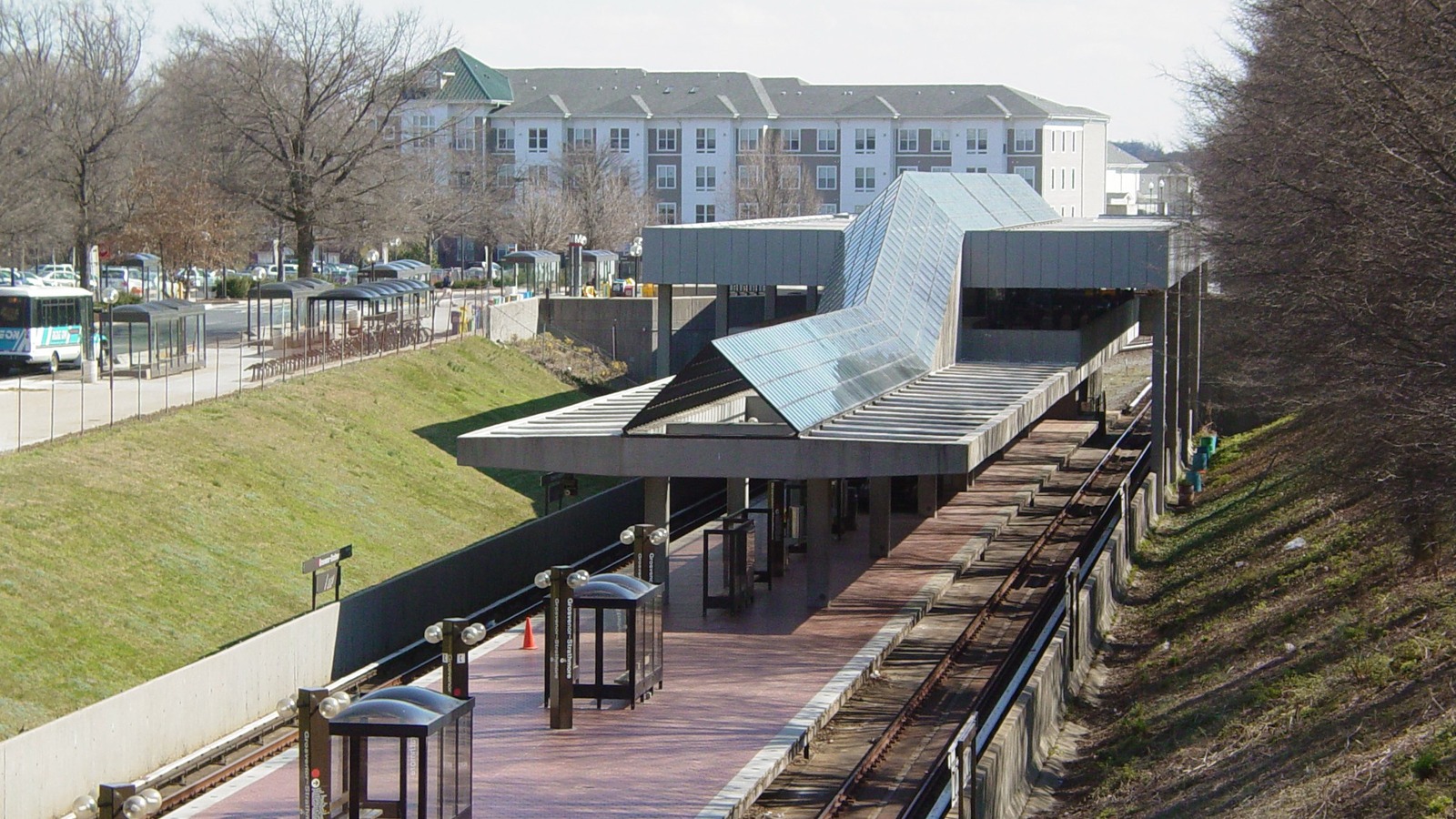
The featured photograph shows Grosvenor-Strathmore before the 2026 renovation and serves as a location reference. It should not be used to judge the completed platform finishes or to choose a particular entrance based on the construction arrangement visible in an older image. Rebuild the Route Around the Reservation
Washington sightseeing often has a fixed appointment in the middle of an otherwise flexible day. Our itinerary groups monuments separately from major museum visits because trying to cover the entire Mall and several large museums in one morning creates a timing problem that a faster transit trip alone cannot solve.
Start with the attraction's booked entry time, then work backward through the walk from the arrival station, any rail transfer, and the trip from the hotel. Travelers who saved a summer route should recalculate it so the old replacement-bus segment does not remain in the plan after service returns.
This also helps when comparing lodging prices: a cheaper room farther along the Red Line has a different practical cost if the party needs repeated trips downtown. Compare the complete daily journey with the room savings, especially when a midday hotel return would mean making that route twice.
A restored connection can make an existing booking easier without creating a reason to cancel another one. Before changing hotels or replacing a paid car reservation, compare the actual cancellation terms with the route now available; the reopening notice does not change a separate company's refund policy. Summer Alternatives Have Their Own End Dates
Some temporary travel arrangements were explicitly tied to the construction period. The summer advisory lists the special MARC discount through September 4 and the temporary Glenmont Express Shuttle through September 6, so those dated alternatives should not be treated as continuing benefits for a new fall journey.
Someone who discovered a convenient cross-county bus during the shutdown may still prefer regular bus service for a particular destination. The right comparison is with the current route and timetable, however, rather than the special construction service or temporary fare shown in a saved summer notice.
For example, the advisory distinguished the temporary Glenmont Express from existing Ride On routes 37 and 40. A traveler heading across the county should check the regular route serving that destination instead of assuming every bus listed on the construction page disappears with the station closure.
Likewise, motorists should follow current street signs as temporary traffic arrangements change back. A rail reopening is a useful milestone, but it is not a substitute for the posted rules at a parking area or along the approach road on the day of travel. If you… What to do Saved a summer route through Bethesda Recalculate the journey with restored rail service instead of the construction bus bridge. Have a timed museum visit downtown Build the journey backward from entry time, including the station-to-museum walk. Need an elevator for the trip Confirm the facilities at both stations before departing; reopening is separate from individual equipment status. Expected to transfer to the Purple Line Choose an existing route for this trip; that connection remains a future opening.
September 7 restores the rail corridor. Update trips using the three reopened stations and remove the summer construction transfer where it no longer applies.
The first fall journey is the route check. Confirm current service and the facilities needed for your specific trip, especially before a timed attraction reservation.
Bethesda, Medical Center, and Grosvenor-Strathmore return to rail service. The change restores the summer construction gap between North Bethesda and Friendship Heights.
No. Bethesda's construction supports a future interchange, but travelers must plan current journeys using services that are already operating.
Recalculate the journey using current service information. The special bus bridge was an alternative during the closure, and saved summer instructions may send a traveler through an unnecessary transfer.
Restored rail service removes the construction transfer from trips through the corridor. Compare the hotel's actual walk to the station and the entire route to each reservation before deciding whether its price and location fit the trip.
A note on cookies
Newshunt uses essential cookies to keep you signed in and to remember your language and country, so the site works the way you expect. With your permission, we'd also like to use analytics cookies to understand how people use Newshunt and improve it over time.
Accepting only affects analytics. To learn more, view our Privacy Policy or Terms & Conditions.
(0)Comments