


Australian student wants tech data to aid Nepal flood search
Category: SciTech
Share
Archive
Like
SYDNEY, Australia: An Australian medical student whose boyfriend has gone missing in the Nepal floods says technology companies should do more to help locate him and other people trapped in the disaster.
She believes companies could share location and telecommunications data to help rescue teams narrow search areas.
Sarada Viswanathan, 23, has spent the past eight days trying to reconstruct the final movements of her boyfriend, Rishab Iyer, and his family. They disappeared near the Nepal-China-Tibet border after a glacier collapse sent a huge rush of water and debris through the area.
Viswanathan has been working from her home in north-western Sydney. She said getting information from Nepal had been difficult. Apple, telecommunications company Optus and tracking app Life360 have refused her requests for location information that could help determine where the Iyer family may have gone.
"We're all just scrambling to try and put the pieces together ourselves," Viswanathan said.
She said the family's phones were probably no longer working, and they had no way of contacting relatives. She added that the family was desperately seeking help to find them.
The disaster on August 26 has killed more than 1,200 people, while more than 4,200 others remain missing. Hundreds of foreign nationals are among those unaccounted for, including 38 Australians.
Iyer, also 23, is in the final year of medical school. He had traveled with his parents and younger brother on a pilgrimage to Mount Kailash, a major religious site.
Viswanathan said she last spoke to Iyer on the morning of August 26. Location information from Apple's Find My service and Life360 showed his family had been near their hotel, close to the Nepal-Tibet border, about 30 minutes before the floods struck.
Relatives of another person from the same tour group later received information through Nepali authorities. That person had a local Nepalese phone number, and the data reportedly showed a phone signal farther north later that day.
However, similar information was not available for people using Australian phone numbers. Optus, Life360 and Apple refused requests for the data, referring to privacy and security concerns.
Viswanathan said she wanted authorities and companies to provide every available signal recorded after the flooding. She explained that the family's location before the disaster was known, but no information covered the crucial period from roughly 30 minutes before the floods until the present.
She said the situation was not simply about finding a missing partner but about trying to save his life. She argued that more effort was needed because location information could potentially help rescuers find people alive.
Optus said it could not comment on individual customers. Apple did not immediately respond to a request for comment.
Life360 also declined to discuss the specific case. The U.S. company explained that people inside a user's authorized "circle" can see the person's latest location, based on phone tower signals. Anyone outside that circle who has not been authorized to track the person must request the information through local authorities.
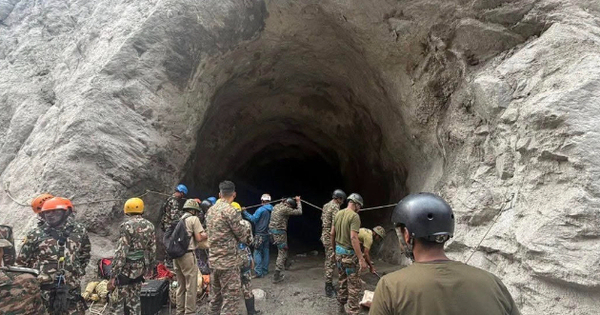
Viswanathan has also started a petition calling on the Australian government to send more personnel to help with the search. Australia has already deployed drone specialists, consular officials, police and defense personnel to Nepal.
Foreign Affairs Minister Penny Wong said on September 3 that Australia would share telecommunications data with Nepali authorities.
Smriti Bhandari, a police officer coordinating information about foreigners needing rescue, said no Australian tourist had been rescued so far.
A note on cookies
Newshunt uses essential cookies to keep you signed in and to remember your language and country, so the site works the way you expect. With your permission, we'd also like to use analytics cookies to understand how people use Newshunt and improve it over time.
Accepting only affects analytics. To learn more, view our Privacy Policy or Terms & Conditions.
(0)Comments