


How everyday foods affect your teeth
Category: Health
Share
Archive
Like
From sugary foods to leafy greens and cheese, diet can influence the bacteria in your mouth.
A healthy smile starts with more than a toothbrush. The foods we eat can influence the bacteria in our mouths, affecting teeth, gums and overall oral health.
The mouth is home to more than 700 species of bacteria, along with fungi, viruses and archaea. Some microorganisms help maintain a healthy balance, while others can contribute to cavities, gum disease and other oral problems. Sugar can fuel tooth decay
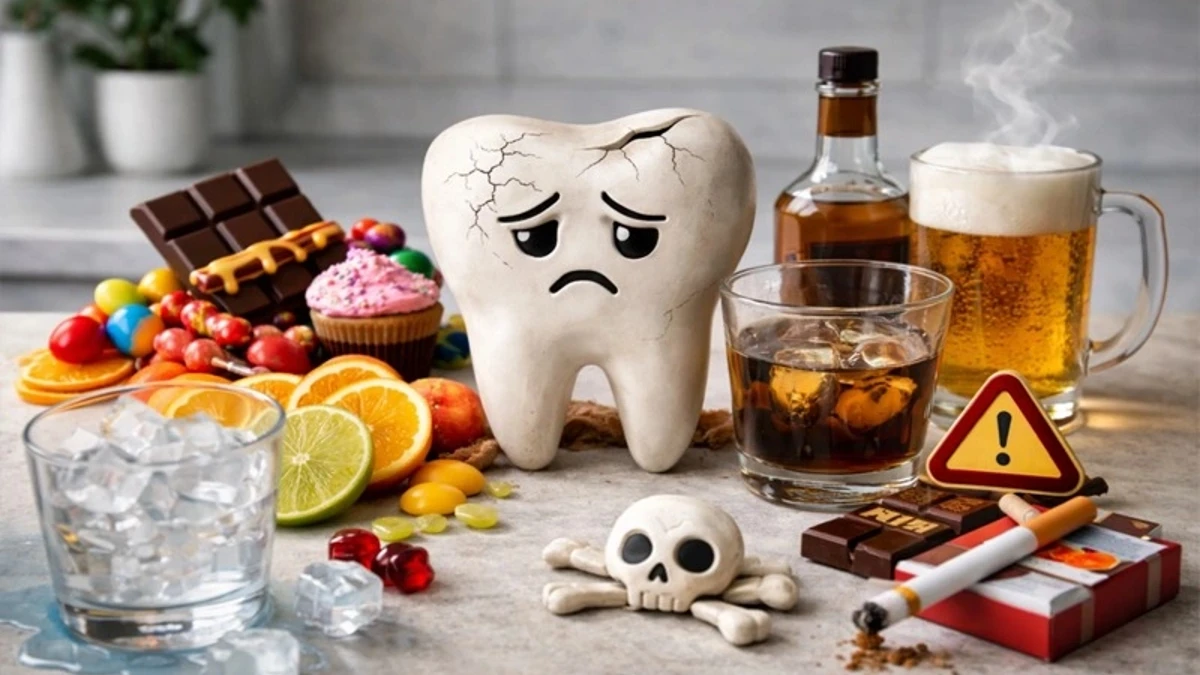
Foods high in sugar can encourage the growth of harmful bacteria such as Streptococcus mutans. The bacteria feed on sugar and produce acids that can weaken tooth enamel and cause cavities.
Processed carbohydrates can have a similar effect because they are quickly broken down into sugars in the mouth. White bread, pasta, white rice, cookies, cakes, pastries, sugary drinks and refined breakfast cereals are among the foods that should be limited.
Other processed starchy foods, including crackers, snacks, prepared sauces and instant soups, are also best consumed in moderation. Vegetables support beneficial bacteria
Adding nutrient-rich foods to the diet may also help maintain a healthier oral microbiome.
Leafy greens such as spinach, arugula and kale contain nitrates that can be used by certain oral bacteria, including Neisseria, to produce nitric oxide. This compound plays a role in blood vessel function and cardiovascular health.
Beets are another source of dietary nitrates, while many vegetables also contain polyphenols that may help the mouth's natural defenses against harmful bacteria and inflammation. Fruits offer protective compounds
Blueberries, blackberries, raspberries, dark grapes, apples, pomegranates and plums are among the fruits rich in polyphenols.
Fresh whole fruit can provide these compounds along with other nutrients. Cranberries have also been studied for their potential to reduce plaque formation and limit bacteria associated with cavities and periodontal disease. Tea, Honey and Garlic
Tea contains polyphenols that may help limit certain harmful bacteria in the mouth. Drinking tea without added sugar can provide these potential benefits without increasing sugar exposure.
Honey also contains polyphenols and has been studied for its potential effects on bacteria linked to plaque and cavities. However, honey is still a source of sugar and should be consumed in moderation.
Garlic contains allicin, a compound with antibacterial properties that has been studied for its effects on microorganisms associated with cavities and gum infections. Cheese may help protect teeth
Cheese may benefit oral health in another way: chewing stimulates saliva production. Saliva helps wash away food and sugar while neutralizing acids produced by bacteria.
An Italian study found that people who ate Grana Padano cheese for five days had lower levels of S. mutans and higher levels of S. sanguinis , a bacterium associated with healthier oral conditions. Fermented foods add beneficial bacteria
Fermented foods such as kefir contain live microorganisms that may help support a healthier balance of bacteria in the mouth.
Research into the oral microbiome has also highlighted its possible connection to broader health. Poor oral health has been associated with conditions including cardiovascular disease and diabetes, although these associations do not prove that oral problems directly cause those conditions.
A balanced diet, limited sugar intake, regular brushing and routine dental visits remain important parts of maintaining healthy teeth and gums.
A note on cookies
Newshunt uses essential cookies to keep you signed in and to remember your language and country, so the site works the way you expect. With your permission, we'd also like to use analytics cookies to understand how people use Newshunt and improve it over time.
Accepting only affects analytics. To learn more, view our Privacy Policy or Terms & Conditions.
(0)Comments