


Bacteria in the Urinary Tract Found to Produce Testosterone
Category: Health
Share
Archive
Like
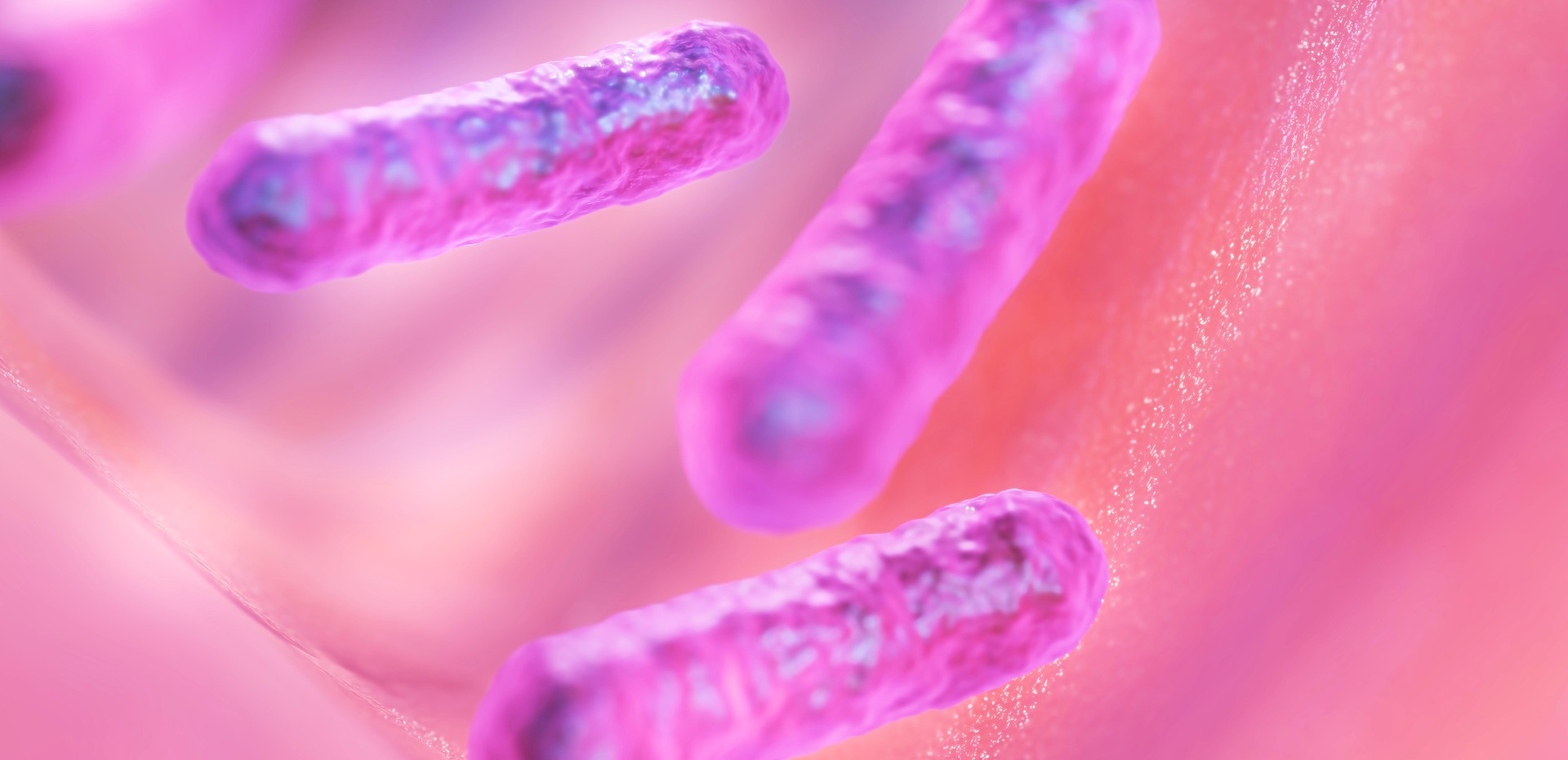
It has long been established that prostate cancer uses androgen hormones, particularly testosterone, to progress. Over the last several decades, treatments included ways to reduce testosterone to slow or inhibit cancer progression. Although the absence of testosterone has really helped control disease progression, cancer still progresses in subsets of patients. Recently, scientists have found a bacterium that participates in the synthesis of testosterone and could fuel cancer even with traditional treatment methods inhibiting the hormone from the testes. More specifically, they identified a bacterium within the urinary tract that converts a steroid referred to as 'dehydroepiandrosterone' (DHEA) to testosterone. While there is no evidence indicating that this bacterium has any effect on tumor progression, scientists are evaluating the implications of this finding.
The article was published in Nature Communications, by Dr. Jason M. Ridlon and others, and highlights an alternative mechanism of creating testosterone. The report emphasizes that bacteria could help shape the environment around the prostate and affect biological functions. Ridlon is an Associate Professor in the College of Agricultural, Consumer and Environmental Sciences at University of Illinois Urbana-Champaign. His research focuses on mechanistic roles of microbial metabolism in animals and humans. More specifically, they use culturing techniques, mass spectrometry, and computational analysis to understand human and animal physiology and pathophysiology. This work brought scientists together to analyze the microbial mechanism at an atomic level.
Scientists are concluding that these bacteria produce testosterone and that the production of this hormone should be evaluated in light of prostate cancer. However, authors are clear in stating that these bacteria do not cause or influence prostate cancer. Within the urinary tract, urine was considered sterile; however, researchers have now discovered that it has its own microorganisms. The urinary microbiome is a new term and understanding which microbes are involved differ between patients. Until now it remained uncertain what these bacteria did.
Ridlon and his team isolated bacteria from male urine samples. These men were suspected of having prostate cancer and had biopsies taken for diagnosis. Using a rapid screening method known as 'Human Sterolbiome Discovery High-throughput' (HSDH) assay, researchers identified Actinobaculum massiliense which converts androgen precursor (DHEA) into testosterone. DHEA is a steroid that is naturally produced and is used to make stronger hormones. The urinary microbiome is a model to investigate the different genes and enzymes responsible for urinary health and wellness.
Further investigation found that two genes are responsible for this process: dirA and dirB. These genes encode for the DHEA enzyme that directly produces testosterone. The team analyzed the chemical reaction using AI-based protein modeling to witness catalytic reactions. Understanding the role dirA and dirB play in the chemical synthesis of testosterone allows researchers to determine if they are associated with differences in hormone levels, prostate health, or response to treatment in patients with cancer.
Ridlon and his team have discovered a bacterium that synthesizes testosterone in the urinary tract. The next step is to understand the physiological relevance in patients. With a better understanding of bacterial enzymes and the chemical process, researchers can use microbial metabolism for steroid profiles and improve diagnostic testing. Overall, this work has major implications on prostate research and can improve patient care through more effective tests and enhancing current therapeutics.
article, Nature Communications, Jason M. Ridlon, University of Illinois Urbana-Champaign
A note on cookies
Newshunt uses essential cookies to keep you signed in and to remember your language and country, so the site works the way you expect. With your permission, we'd also like to use analytics cookies to understand how people use Newshunt and improve it over time.
Accepting only affects analytics. To learn more, view our Privacy Policy or Terms & Conditions.
(0)Comments