


How to Collect and Test Herbicide Resistant Weeds
Category: SciTech
Share
Archive
Like
Are you noticing your herbicide is not working as good as it has in the past? In Saskatchewan, common weeds that have developed herbicide resistance include wild oats, green foxtail, kochia, wild mustard and shepherd's purse. It is important to know which herbicide group these weeds have developed a resistance to so you can plan an alternative weed management strategy, such as selecting a different herbicide group or adjusting your crop rotation. The population of herbicide resistant weeds will continue to increase when herbicide management does not change.
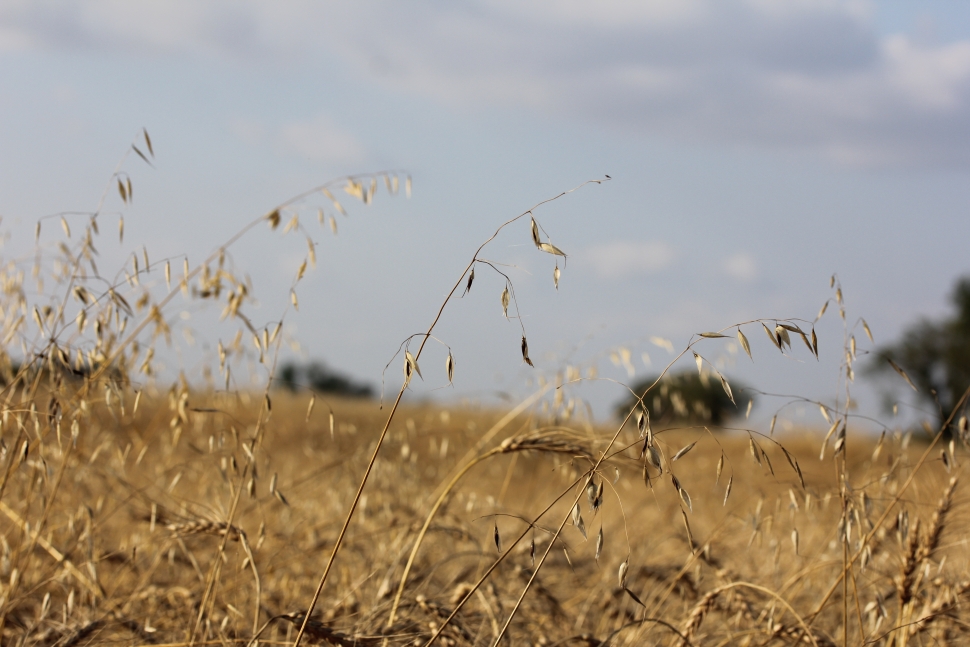
Wild Oats
The Crop Protection Lab
, located in Regina, can test these weed seeds for herbicide resistance. Weed seeds need to be collected at maturity before a desiccant is applied to the crop, before the suspected area is harvested or before it is sprayed with herbicides post-harvest. Selection of the seeds is crucial. You must avoid green or diseased seeds as they will not germinate properly and may hinder the diagnosis or make testing impossible. Make sure these seeds are only from suspected plants that have appeared to survive the herbicide application.
For most weeds, hand collection is the best method. However, for some wind-dispersed seeds, a sweep net or small vacuum may be best for collecting seeds. The seed sample must not contain any stems and as little foreign material as possible. The lab requires a minimum of 2,000 seeds for each herbicide group tested. The number of seeds will also need to increase with more herbicide groups being tested. For certain species, it can be a challenge to reach the minimum seed threshold, so collect as many seeds as possible.
Example amounts:
Wild oats – one large coffee can full of seeds
Small seeds (ex. wild mustard) – one small hot chocolate can full
After the seeds are collected, they must be completely dry before being submitted as mouldy samples will not be tested. The recommended method is to air-dry the seeds on a piece of paper for a few weeks. Place the dry seeds in a labelled paper bag for shipment to the lab and ensure the
Herbicide Resistance Testing Form
is completed and submitted along with the sample.
Do not use a plastic bag as it does not allow the seeds to breathe and mould may grow as a result.
January 15
is the annual submission deadline for weed seeds harvested during the prior year. Processing times may vary and results are not guaranteed prior to seeding, as ample time is needed for testing.
If you have questions about how to submit a sample, contact the
Crop Protection Lab
at 306-787-8130 or by email at
cpl@gov.sk.ca
. It is better to inquire before submitting, rather than risk impairing the value of the sample.
A note on cookies
Newshunt uses essential cookies to keep you signed in and to remember your language and country, so the site works the way you expect. With your permission, we'd also like to use analytics cookies to understand how people use Newshunt and improve it over time.
Accepting only affects analytics. To learn more, view our Privacy Policy or Terms & Conditions.
(0)Comments