


Hormuz stranded ships may spread invasive species
Category: SciTech
Share
Archive
Like
A study warns that more than 1,500 ships stranded after the Strait of Hormuz closure could transport invasive marine species worldwide. Researchers say prolonged delays have created conditions for rapid biofouling growth on vessel hulls.
ISLAMABAD: A new study has warned that more than 1,500 large commercial ships stranded after the closure of the Strait of Hormuz could carry marine organisms to ports around the world when they resume sailing, raising the risk of biological invasions on a global scale.
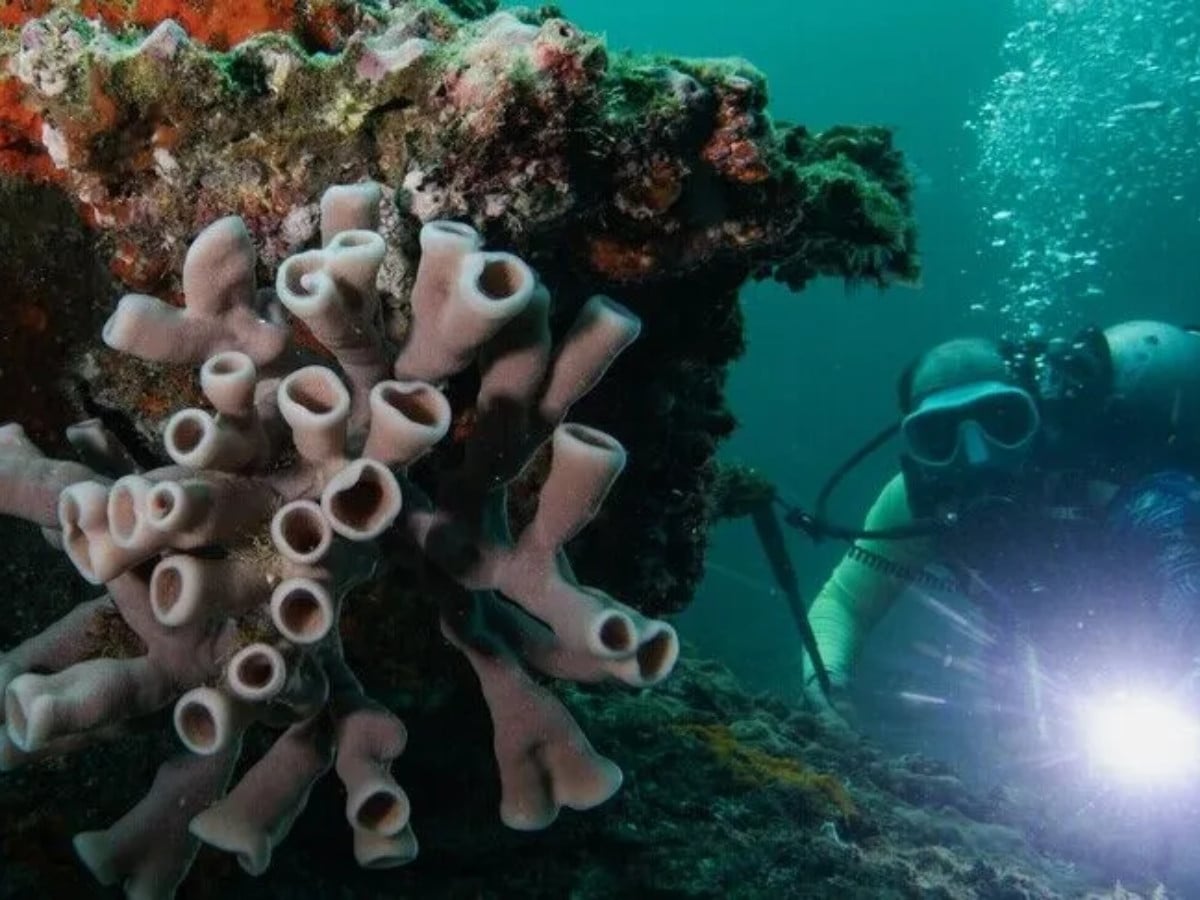
The research, published in the journal Biological Invasions, says the hulls of ships left stationary for long periods can quickly accumulate biofouling, including microorganisms, algae and invertebrates. According to the study, over 1,500 large commercial vessels have been stranded since the waterway was closed on February 28 amid tensions involving the United States and Iran.
The study says the extended stay of these vessels in Gulf waters gives local organisms time to settle on ship hulls while also bringing together species from different regions on the same vessels. Researchers warned that once the ships begin moving again, they could act as global super-spreaders by transporting invasive species across multiple sea routes.
Researchers cite worst-case conditions
Professor Mario Tamburri of the University of Maryland, the study's lead author, told Anadolu that the current situation is more severe than previous episodes in which ships were forced to wait at sea for long periods.
First, the number and size of the ships that have remained stationary, and second, the fact that this coincides with spring and summer, when marine organisms are in their growth and reproductive season,
Tamburri said these overlapping factors heighten the danger. He added that organisms in the Gulf are already suited to demanding conditions such as high salinity and extreme heat, which could make them more likely to survive and become invasive when introduced elsewhere.
He also said there are limited options in the Gulf for dealing safely and effectively with hull biofouling on vessels that are not moving, and warned that the risk could grow further as the ships head to ports across the world.
Biofouling can expand rapidly
Tamburri said the amount and range of organisms building up on a vessel depend heavily on how long it remains motionless.
The longer they remain stationary during periods of productive growth and reproduction, the more extensive and diverse the biofouling on the ships becomes,
According to the study, growth on submerged ship surfaces can enter a rapid development phase in around 10 days. It says management steps should be considered when ships remain stationary for 18 to 30 days, while vessels idle for more than 30 days should urgently clean their hulls before leaving for their next voyage.
The researchers said the ships in the Gulf have remained in place far longer than standard port delays, creating favourable conditions for invasive species to multiply and later spread to other regions.
Potential examples and likely destinations
Tamburri said it is not possible to identify with certainty which species will be transported because that depends on both the organisms involved and the conditions at their destinations. He cited the Asian green mussel, native to the Gulf, as one example of the scale of the threat.
The study says the species has already been carried to Florida, the Caribbean, Australia and South America. In some places, Asian green mussels compete with native bivalves and can block piping systems at power plants and desalination plants.
The researchers also said species spread through biofouling can damage ecosystems and disrupt economic activity, while some parasites and pathogens may endanger commercially valuable species.
The study highlights the first ports reached by vessels leaving the Strait of Hormuz as especially important in determining whether invasive species become established. Tamburri said the danger is particularly high for ports including Jeddah, Mumbai, Colombo, Singapore, Alexandria, Piraeus, Algeciras and Rotterdam because sailing times from the Gulf are relatively short and environmental conditions, especially temperature and salinity, may be similar.
Call for international response
The researchers recommended early-warning and rapid-response systems at the first ports visited after ships depart the Gulf. They also said the preferred solution is to remove biofouling from hulls before vessels leave the region.
Tamburri said the global maritime sector is not yet adequately prepared to handle biosecurity threats caused by prolonged and large-scale disruption to shipping.
Regulations are being developed through the International Maritime Organisation (IMO), but it will take several years for them to be fully developed and approved. Very little attention has so far been paid to the biosecurity risks that could result from prolonged and large-scale disruptions to maritime transportation,
He said reducing the threat will require coordinated international action involving experts in biological invasions, maritime logistics and regulation. The study added that broad hull-cleaning measures would be difficult to apply to every stranded vessel because the Gulf has limited capacity for such work and some ships may need to depart quickly for security, logistical and operational reasons.
A note on cookies
Newshunt uses essential cookies to keep you signed in and to remember your language and country, so the site works the way you expect. With your permission, we'd also like to use analytics cookies to understand how people use Newshunt and improve it over time.
Accepting only affects analytics. To learn more, view our Privacy Policy or Terms & Conditions.
(0)Comments