


Hundreds of Travelers Disrupted Across Asia as 584 Canceled and 2,927 Delayed Flights Hit Surabaya, New Delhi and Other Airports
Category: Tourism
Share
Archive
Like
Hundreds of Travelers Disrupted Across Asia as 584 Canceled and 2,927 Delayed Flights Hit Surabaya, New Delhi and Other Airports
Written By:
Indranil Mukherjee
I am an SEO content writer with over two years of experience in digital publishing. I hold a Master's degree in English, and since completing my studies, I have been working with Travel And Tour World. I am passionate about creating engaging, well-researched content that informs and connects with readers. I have a keen interest in exploring the social and economic forces that shape the world, with a particular focus on literature, travel, and global developments. Through my work, I strive to deliver insightful, accurate, and SEO-friendly content that helps readers stay informed about the latest trends and stories from the travel industry. Indranil Mukherjee
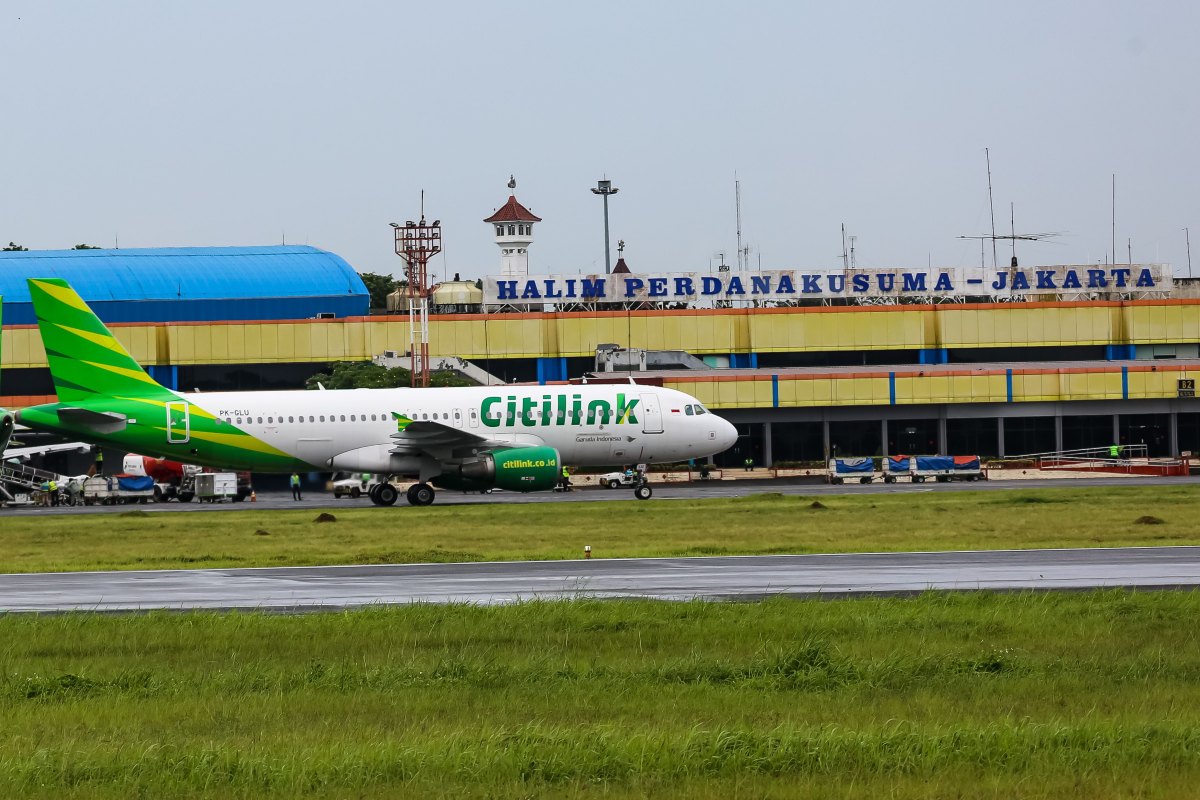
Photo by Fabrian Pradanaputra
584 canceled and 2,927 delayed flights impacted Surabaya, New Delhi, and other major airports, causing significant disruption for hundreds of travelers around Asia. Concerns about volcanic ash, operational difficulties, and network outages that affected airlines and travelers all contributed to the extensive interruptions in operations. Additionally, major hubs in India, Japan, China, and Southeast Asia saw further delays, while Indonesia's volcanic activity put significant strain on regional flight schedules. Many travelers had to change their trip arrangements due to the disruption in flight connectivity. Affected passengers kept checking for updates and making alternate plans while airlines attempted to resume regular operations.
Volcanic Ash, Operational Pressure and Network Disruptions Drive Asia Travel Delays
Asia's aviation network faced significant disruption today as major airports across India, Indonesia, Japan, China, Southeast Asia and the Middle East recorded widespread flight delays and cancellations. Based on the provided airport and airline disruption data, massive flight disruptions were recorded across affected Asian airports, including 2,927 delays and 584 cancellations. The disruption was heavily concentrated in key aviation hubs, with Indonesia, Japan, China and India experiencing some of the highest operational pressure.
Advertisement
The biggest disruption factor affecting the region was linked to volcanic ash from Mount Anak Krakatau in Indonesia, which created major operational challenges for airports and airlines. The eruption affected flight operations around Jakarta and other Indonesian locations, with ash clouds creating safety concerns for aircraft movements. Several Indonesian airports faced closures or restrictions, causing delays, cancellations and wider network impacts across Asia.
Airlines operating through Indonesia adjusted schedules as aircraft rotations, crew positioning and connecting flights were affected. The disruption also created ripple effects for international carriers linking Indonesia with Singapore, Malaysia, China, India and the Middle East.
Which Asian Airports Recorded the Highest Flight Delays and Cancellations?
The airport disruption data shows that several major Asian aviation gateways experienced heavy delays. Tokyo Haneda International Airport recorded the highest number of delays with 394, followed by IndiGo's major operating network contributing to 258 delays, and Chhatrapati Shivaji Maharaj International Airport in Mumbai reporting 245 delays.
Among Chinese airports, Shanghai Pudong International Airport recorded 178 delays and 8 cancellations, while Beijing Capital International Airport registered 140 delays and 7 cancellations. Guangzhou Baiyun International Airport recorded 87 delays and 9 cancellations, highlighting continued pressure across China's major aviation centres.
Japan also experienced widespread disruption. Narita International Airport reported 127 delays and 11 cancellations, while Tokyo Haneda recorded 394 delays and 8 cancellations, making it the most delayed airport in the data set.
India's aviation sector also faced pressure. Indira Gandhi International Airport in Delhi recorded 177 delays and 4 cancellations, while Mumbai's Chhatrapati Shivaji Maharaj International Airport recorded 245 delays and 3 cancellations.
Indonesia experienced some of the most severe cancellation impacts. Jakarta Soekarno-Hatta International Airport recorded 73 delays and 207 cancellations, while Juanda International Airport recorded 87 delays and 15 cancellations. The high cancellation numbers reflected the operational impact of volcanic ash disruption and network adjustments.
Indonesia, Japan, China and India Become Major Disruption Hotspots
Indonesia Faces the Strongest Cancellation Impact
Indonesia emerged as the most affected country for cancellations. Apart from Jakarta Soekarno-Hatta International Airport's 207 cancellations, other Indonesian airports also recorded significant disruption:
Sultan Hasanuddin International Airport: 112 delays and 8 cancellations
112 delays and 8 cancellations Juanda International Airport: 87 delays and 15 cancellations
87 delays and 15 cancellations Sepinggan International Airport: 44 delays and 5 cancellations
44 delays and 5 cancellations Kuala Namu International Airport: 24 delays and 13 cancellations
24 delays and 13 cancellations Halim Perdanakusuma International Airport: 10 delays and 9 cancellations
The airline impact was also significant. Garuda Indonesia recorded 54 cancellations (22%) and 5 delays (2%), while Batik Air recorded 27 cancellations (8%) and 62 delays (20%). Citilink recorded 26 cancellations (9%) and 32 delays (11%).
The disruption also affected international carriers. Indonesia AirAsia reported 13 cancellations (16%) and 3 delays (3%), while TransNusa recorded 6 cancellations (9%) and 7 delays (10%).
The volcanic ash situation created operational restrictions because ash particles can damage aircraft engines and aviation systems, requiring airlines and airports to prioritise safety before restoring services.
Japan Experiences Severe Delay Pressure
Japan recorded some of the highest delay figures in Asia. The largest impact was seen at Tokyo Haneda, where 394 delays and 8 cancellations were reported.
Airlines operating in Japan also experienced disruption:
Japan Airlines (JAL): 224 delays (28%) and 4 cancellations
All Nippon Airways (ANA): 114 delays (20%) and 7 cancellations
ANA Wings: 59 delays (16%) and 2 cancellations
Jetstar Japan: 36 delays (37%) and 3 cancellations
The figures indicate that Japan's domestic and international networks experienced significant schedule pressure.
China Sees Widespread Airline Network Disruptions
China's major airlines reported considerable delays:
China Eastern: 198 delays (8%) and 18 cancellations
198 delays (8%) and 18 cancellations Air China: 145 delays (8%) and 13 cancellations
145 delays (8%) and 13 cancellations China Southern Airlines: 113 delays (5%) and 5 cancellations
113 delays (5%) and 5 cancellations Spring Airlines: 68 delays (11%) and 3 cancellations
68 delays (11%) and 3 cancellations Shenzhen Airlines: 44 delays (6%) and 2 cancellations
44 delays (6%) and 2 cancellations XiamenAir: 39 delays (6%) and 7 cancellations
Major Chinese airports including Shanghai Pudong, Beijing Capital, Guangzhou Baiyun, Chengdu Tianfu and Xi'an Xianyang recorded a combination of delays and cancellations.
India and Southeast Asia Airlines Also Affected
Indian airlines recorded notable disruption levels:
IndiGo: 258 delays (13%) and 9 cancellations
258 delays (13%) and 9 cancellations Air India: 114 delays (19%) and 2 cancellations
114 delays (19%) and 2 cancellations SpiceJet: 36 delays (51%) and 1 cancellation
36 delays (51%) and 1 cancellation Akasa Air: 19 delays (11%) and 2 cancellations
Across Southeast Asia, airlines including Malaysia Airlines, AirAsia, Singapore Airlines, Scoot, Cebu Pacific and Philippines AirAsia reported operational issues.
Key figures included:
AirAsia: 43 delays (9%) and 9 cancellations
43 delays (9%) and 9 cancellations Malaysia Airlines: 24 delays (8%) and 9 cancellations
24 delays (8%) and 9 cancellations Singapore Airlines: 19 delays (5%) and 8 cancellations
19 delays (5%) and 8 cancellations Scoot: 20 delays (10%) and 4 cancellations
20 delays (10%) and 4 cancellations Philippines AirAsia: 46 delays (71%) and 2 cancellations
46 delays (71%) and 2 cancellations Cebu Pacific Air: 59 delays (19%) and 1 cancellation
Middle East Connectivity Also Feels Asia Disruption Impact
Airlines connecting Asia with the Middle East also experienced disruption.
The data showed:
Qatar Airways: 79 delays (12%) and 7 cancellations
79 delays (12%) and 7 cancellations Emirates: 51 delays (9%) and 4 cancellations
51 delays (9%) and 4 cancellations Etihad Airways: 54 delays (16%) and 1 cancellation
54 delays (16%) and 1 cancellation Saudia: 47 delays (8%) and 29 cancellations
47 delays (8%) and 29 cancellations Flynas: 23 delays (9%) and 1 cancellation
Dubai International Airport recorded 144 delays and 9 cancellations, while Hamad International Airport recorded 77 delays and 8 cancellations. Airport Origin Cancellation % Destination Cancellation % Jakarta-Soekarno-Hatta Int'l (CGK) 18% 17% Singapore Changi (SIN) 2% 2% Kuala Lumpur Int'l (KUL) 2% 2% King Abdulaziz Int'l (JED) 2% 2% Ngurah Rai/Bali Intl (DPS) 4% 5% King Khalid Int'l (RUH) 2% 1% Juanda Int'l (SUB) 4% 5% Sultan Hasanuddin Int'l (UPG) 1% 2% Hamad Int'l (DOH) 0% 1% Hang Nadim (BTH) 10% 9% Haikou Meilan Int'l (HAK) 2% 2% Halim Perdanakusuma Int'l (HLP) 19% 22% Gizan Regional (GIZ) 66% 71% Sultan Syarif Qasim II Int'l (PKU) 6% 9% Sultan Mahmud Badaruddin II (PLM) 16% 9% Abha Regional (AHB) 10% 9% Nanjing Lukou Int'l (NKG) 0% 0% Xiamen Gaoqi Int'l (XMN) 1% 1% Kuala Namu International (KNO) 5% 11% Radin Inten II (Branti) (TKG) 17% 25% Sepinggan Int'l (BPN) 4% 3% Allama Iqbal Int'l (LHE) 3% 3% Jinnah Int'l (KHI) 4% 2% JAGS McCartney Int'l (GDT) 20% 22% Chengdu Tianfu Int'l (TFU) 0% 0% Hangzhou Xiaoshan Int'l (HGH) 0% 0% Kunming Changshui Int'l (KMG) 0% 1% Xi'an Xianyang Int'l (XIY) 0% 1% Chongqing Jiangbei Int'l (CKG) 1% 0% Beijing Capital Int'l (PEK) 0% 0% Guangzhou Baiyun Int'l (CAN) 1% 0% Shanghai Pudong Int'l (PVG) 0% 0% Hong Kong Int'l (HKG) 0% 0% Tokyo Int'l (Haneda) (HND) 0% 0% Narita Int'l (NRT) 1% 2% Incheon Int'l (ICN) 0% 0% Manila Int'l (MNL) 0% 0% Dubai Int'l (DXB) 0% 0% Chhatrapati Shivaji Int'l (BOM) — 0% Indira Gandhi Int'l (DEL) — 0%
What Affected Passengers Should Do Now
Passengers affected by today's disruption should take several immediate steps:
Check Airline Updates Before Travelling
Travellers should check their airline's official website, mobile application or airport information channels before leaving for the airport. Flight schedules can change quickly during weather, volcanic ash or operational disruptions.
Avoid Arriving Too Early Without Confirmation
Passengers should confirm whether their flight is operating before travelling to the airport, especially those departing from heavily affected airports such as Jakarta, Tokyo Haneda, Mumbai, Shanghai and Delhi.
Request Rebooking or Alternative Flights
Passengers affected by cancellations should contact airlines for available options, including:
Free rebooking on the next available service
Alternative routes
Refund options where applicable
Airport assistance during extended waits
Airlines affected by volcanic ash-related disruption have previously provided rebooking, refunds or travel credit options depending on the circumstances.
Allow Extra Time for Airport Processing
Travellers should expect longer waiting times due to aircraft rotation issues, delayed arrivals and increased passenger volumes at affected airports.
Data Verification Notice
The data has been extensively curated by our editorial team using real-time aviation figures recorded on 7 September 2026 at 2:57 pm ET USA (8 September 2026, 2:01 am Jakarta Time (GMT+7)).
Primary Source: FlightAware.
Verification Protocol: All statistics have been independently reviewed and cross-checked by our human editorial desk. Timestamped records, data logs and feed snapshots are securely archived internally to support historical accuracy and editorial transparency.
Note: Real-time flight-tracking figures reflect active airspace and operational data. Minor variations may occur when compared with information displayed at individual airport terminals or airline departure gates.
Keep track of the latest Asia flight cancellations and travel disruption updates with our daily aviation reports. Explore more breaking airline and airport coverage here.
Advertisement
Share On:
Gtranslate
A note on cookies
Newshunt uses essential cookies to keep you signed in and to remember your language and country, so the site works the way you expect. With your permission, we'd also like to use analytics cookies to understand how people use Newshunt and improve it over time.
Accepting only affects analytics. To learn more, view our Privacy Policy or Terms & Conditions.
(0)Comments