


C. Ola Landgren։ The Myeloma Community Lost One of its Founding Figures
Category: Health
Share
Archive
Like
C. Ola Landgren, Leader of Translational and Clinical Oncology Program/Experimental Therapeutics at Sylvester Comprehensive Cancer Center, shared on LinkedIn:
'Some people contribute to a field. A rare few define it, and, through their generosity, make it possible for generations of others to find their own path within it.
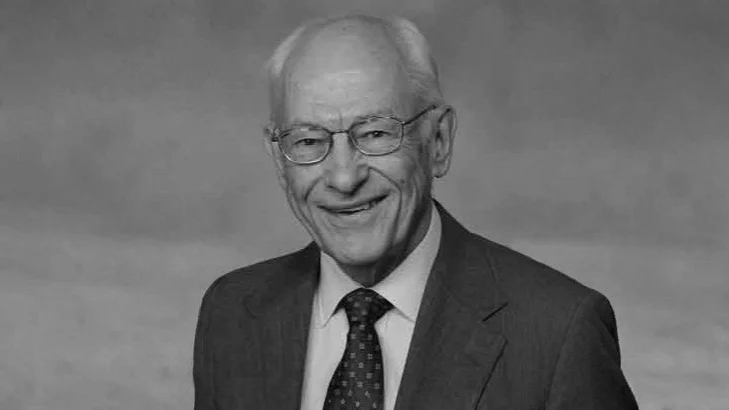
Dr. Robert 'Bob' Kyle was one of those rare individuals.
Today, the myeloma community lost one of its founding figures, and I lost a beloved mentor, collaborator, and dear friend.
Bob transformed our understanding of plasma cell disorders. Guided by careful clinical observation and an extraordinary ability to recognize patterns, he introduced the concepts of MGUS and smoldering myeloma.
These were not simply new terms; they created the framework through which we came to understand myeloma as a disease that develops over time. His work changed clinical practice, opened new areas of investigation, and helped establish Mayo Clinic as a myeloma center.
Bob was a mentor to many.
For me, his mentorship was critical during the formative years of my career at the NCI/NIH. At a time when encouragement, perspective, and trust mattered enormously, Bob gave all three generously.
He helped me navigate our collaborative work using samples from the PLCO Trial, through which we demonstrated that myeloma is consistently preceded by a precursor stage.
That finding helped establish the scientific foundation for studying the mechanisms of progression from precursor disease to myeloma, and for asking whether earlier intervention could prevent symptomatic disease and its complications.
What made Bob exceptional was not only what he discovered, but how he lived and led. He was amazingly wise, generous, inclusive, humble, practical, and kind. He listened carefully.
He welcomed different perspectives and encouraged people to pursue new ideas, including ideas that differed from his own. He had no need to control the field he had done so much to create. Instead, he opened it to others.
Bob showed us that true leadership does not require seeking attention, protecting territory, or taking credit. It comes from asking important questions, sharing knowledge, creating opportunities for others, and keeping patients and scientific truth at the center.
He represented clinical research at its very best: observing carefully, thinking deeply, and transforming what he learned from patients into ideas and models that moved an entire field forward.
His scientific legacy is monumental. His human legacy, reflected in the many people he mentored, encouraged, and treated with genuine warmth and respect, is equally profound.
I will always be grateful for Bob's mentorship, friendship, wisdom and trust. His influence will remain with me personally, and his discoveries will continue to guide our field for generations.
My deepest condolences go to his family, friends, colleagues and the Mayo Clinic community.
We have lost a giant in medicine, and a truly wonderful human being.'
Other articles featuring Robert Kyle on OncoDaily.
A note on cookies
Newshunt uses essential cookies to keep you signed in and to remember your language and country, so the site works the way you expect. With your permission, we'd also like to use analytics cookies to understand how people use Newshunt and improve it over time.
Accepting only affects analytics. To learn more, view our Privacy Policy or Terms & Conditions.
(0)Comments