


'Strike our assets, you get struck': Iran warns US energy interests in Gulf
Category: Politics
Share
Archive
Like
Iran warns US oil and gas interests in the Gulf face retaliation as Tehran plans a new restricted zone near the Strait of Hormuz amid renewed clashes.
Iran warns US of retaliation on Gulf oil/gas interests.
US-Iran shipping attacks raise oil prices to 6-week highs.
Iran to create new restricted zone in Strait of Hormuz.
Did our AI summary help?
Market Mastery
Webinar
by Vishal Malkan
Find the weak links
in your portfolio
by Vishal Malkan
Register for FREE Webinar
Register for FREE
Iran has warned the United States that American oil and gas interests in the Gulf could face retaliation if Washington launches further attacks on Iranian assets, as renewed US-Iran attacks on shipping put pressure on the Strait of Hormuz and push oil prices higher.
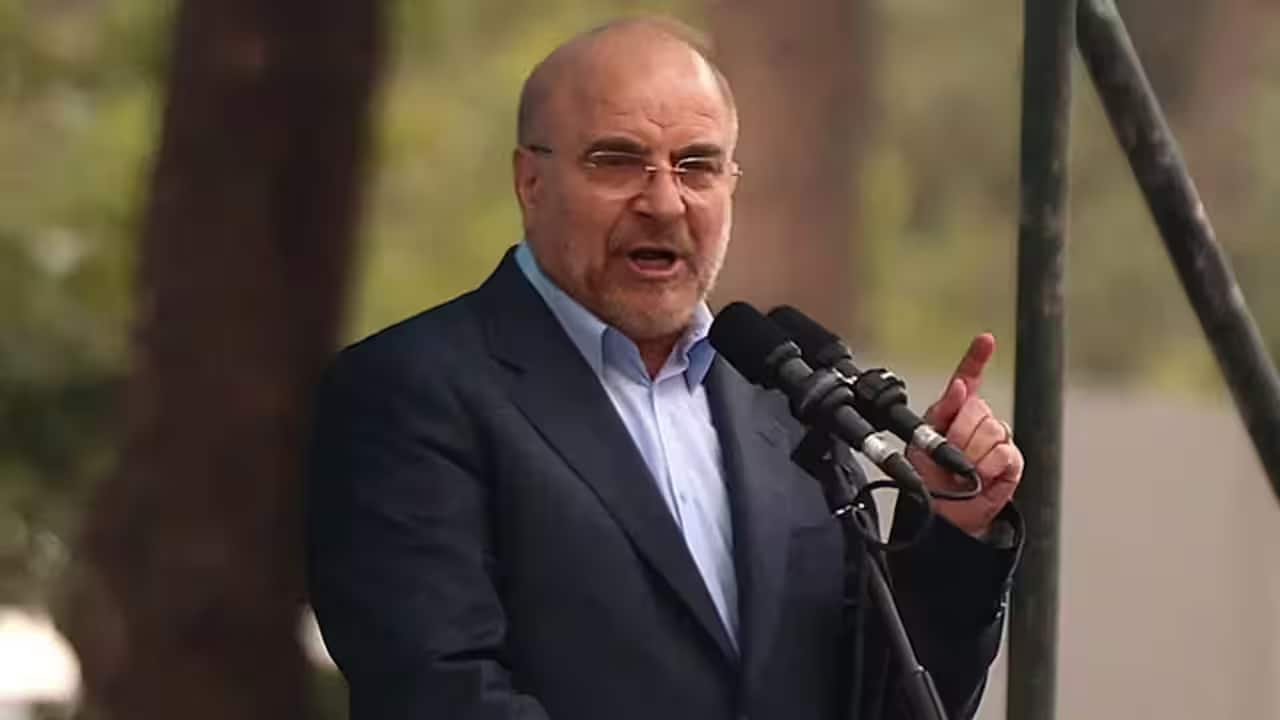
Iranian Parliament Speaker Mohammad Baqer Ghalibaf issued the warning on Monday after US and Iranian forces traded attacks on shipping over the weekend.
'Strike our assets and you get struck,' Ghalibaf said, warning that energy infrastructure across the Gulf remained vulnerable to retaliation.
'It's simple: the oil and gas production chain here is sprawling, accessible, and exposed. American oil and gas companies across these waters and facilities share that exposure,' Ghalibaf, who is also Iran's top negotiator, wrote on X.
His warning appeared to respond to US Defence Secretary Pete Hegseth, who had described Iran's oil tanker fleet as 'defenceless'. Ghalibaf said Tehran had already demonstrated its ability to strike US interests in the region.
Iran Plans New Restricted Zone In Gulf
The warning came as Iran prepared to tighten restrictions around the Strait of Hormuz, one of the world's most important routes for global oil and gas shipments.
Senior Iranian security official Mohsen Rezaei said on Sunday that Tehran would announce a new restricted zone in the Gulf in the coming days and approve maps for a separate shipping corridor through the Strait of Hormuz.
Rezaei said the proposed zone would begin where a US naval blockade of Iran starts and extend into parts of the Gulf. Any vessel entering the area would be placed on an Iranian sanctions list, he said.
'We will only commit to the Strait of Hormuz being open when they (the Americans) stop the sabotage, threats and attacks on Iran,' Rezaei said.
Iran has restricted shipping through the strait since the conflict began with US and Israeli strikes on February 28. An average of just 10 commodity vessels a day crossed the waterway over the past 10 days, the lowest level since May, according to shipping data.
Before the conflict, the Strait of Hormuz carried around a fifth of global oil and liquefied natural gas shipments, making prolonged disruption a major risk for energy markets.
US-Iran Strikes Push Oil Prices Higher
The latest escalation follows a relative lull in fighting through much of August. Tit-for-tat attacks resumed after an interim ceasefire reached in June broke down, while diplomatic efforts have made little progress.
US forces struck three Iranian oil tankers on Saturday, including one near Kharg Island, Iran's main oil export hub, according to US Central Command. The strikes followed attacks by Iran's Revolutionary Guards on US warships in the region.
The attacks pushed oil prices to six-week highs on Monday. Brent crude rose as concerns over disruptions to energy supplies through the Strait of Hormuz intensified, reaching a session high of $98.06 a barrel.
Tehran has demonstrated that it retains the ability to target US interests in neighbouring countries and disrupt oil flows through the Strait of Hormuz.
Israel Strikes Southern Lebanon
The wider regional conflict was further aggravated by Israeli strikes in southern Lebanon on Monday that killed at least 12 people, according to Lebanon's health ministry.
The attacks raised fears of a renewed Israeli military campaign despite a June ceasefire with Iran-backed Hezbollah. Tehran has insisted that any lasting agreement with Washington must also address Israeli military action in Lebanon.
The escalation adds another complication to efforts to revive diplomacy between Washington and Tehran.
US President Donald Trump announced several objectives when 'Operation Epic Fury' began in February, including ending Iran's nuclear programme, preventing Iran from attacking neighbouring countries and creating conditions for its leadership to be overthrown.
Iran's clerical leadership remains in power and is seeking sanctions relief. Tehran also hopes eventually to generate revenue from ships using the Strait of Hormuz.
Gulf Economies Prepare For Disruption
The conflict has also affected Gulf Arab economies that depend on energy exports and regional shipping.
The United Arab Emirates has faced Iranian missile attacks and incidents involving its oil tankers in the Strait of Hormuz.
UAE presidential adviser Anwar Gargash said on Monday that the country was developing alternative routes for its energy exports and trade to ensure they were not 'held hostage' by the war.
The developments have also affected US consumers, with higher fuel prices adding to economic pressure on the Trump administration ahead of November's midterm elections, which will determine control of Congress.
US Sanctions Add To Iran's Economic Strain
The military confrontation has been accompanied by mounting economic pressure inside Iran.
US sanctions have targeted Iranian oil exports and efforts to evade restrictions. Three senior Iranian sources told Reuters that Washington's campaign to restrict Iran's oil exports and clamp down on sanctions evasion was becoming increasingly difficult for Tehran to withstand.
Iran has said it will intensify efforts to tackle problems created by US sanctions, which have placed further pressure on its economy.
Ghalibaf said over the weekend that Iran's struggle was no longer confined to the battlefield. He cited currency fluctuations, inflation, unemployment and problems with managing the domestic market as major challenges.
The Iranian Economy Ministry has also established an Economic War Headquarters to address economic problems linked to the conflict, according to Iranian state media.
A note on cookies
Newshunt uses essential cookies to keep you signed in and to remember your language and country, so the site works the way you expect. With your permission, we'd also like to use analytics cookies to understand how people use Newshunt and improve it over time.
Accepting only affects analytics. To learn more, view our Privacy Policy or Terms & Conditions.
(0)Comments