


Letter to the Editor
BRICS prioritises youth in science and innovation for a sustainable future

Amidst opportunities and challenges, BRICS is placing youth at the core of its innovation agenda, paving the way for a sustainable future.
Amidst opportunities and challenges, BRICS is placing youth at the core of its innovation agenda, paving the way for a sustainable future.
Borrowing from 19th-century novelist Charles Dickens, 'It was the best of times. It was the worst of times', aptly captures the experience of today's young people.
Modern youth, particularly in the developed world, have access to opportunities that previous generations could scarcely have imagined. They are innovative, technologically savvy and increasingly entrepreneurial. Young people in developing and underdeveloped countries, too, have access to far greater opportunities and skills than their parents did, with many proving equally innovative and digitally literate as their counterparts in the developed world.
Yet, despite these advantages, young people are, in some respects, much worse off than previous generations. Social media, artificial intelligence and the relentless pace of modern life have left many young people feeling lonely and alienated. At the same time, intense competition for jobs, amid growing unemployment in many countries, is taking a toll on their health and wellbeing.
The situation is even more challenging in poorer and developing countries, where governments often lack the resources and capacity to cushion vulnerable young people from the social and economic pressures they face.
It is against this backdrop that BRICS, a platform that seeks to strengthen cooperation among developing and emerging economies of the Global South, is increasingly placing young people at the heart of its Science, Technology and Innovation (STI) agenda.
The 14th BRICS Science, Technology and Innovation (STI) Ministerial Meeting, held under India's chairship towards the end of August, marked a significant step towards empowering young scientists, researchers and entrepreneurs across the bloc. The meeting, attended by science ministers from BRICS countries, called for an effective, sustainable and future-oriented system of cooperation in science, technology and innovation, while underscoring the critical role of young people in achieving this objective.
India's Minister of Science and Technology, Jitendra Singh, said in his address at the closing session that the discussions had reaffirmed the central role of STI in shaping a more sustainable, inclusive and environmentally conscious future.
He noted that delegates had considered a wide range of issues, from artificial intelligence and high-performance computing to quantum technologies, advanced materials, biotechnology, healthcare, climate change and sustainable development, areas where many of the challenges facing humanity can be addressed through joint effort.
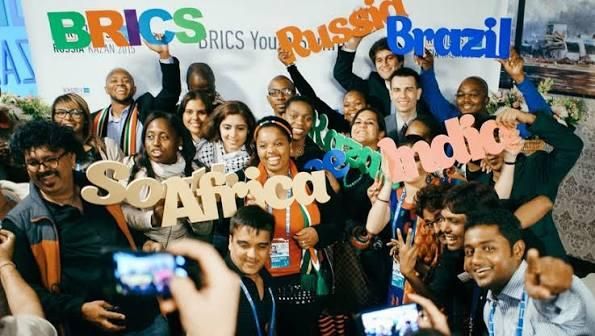
In adopting the Chennai Declaration at the end of the meeting, the ministers endorsed the establishment of the BRICS Youth Startup Platform, highlighting the need to encourage funding for early-stage startups as well as companies entering their growth phase.
Singh said BRICS cooperation in science, technology and innovation should move beyond sustained dialogue towards tangible outcomes by strengthening mechanisms for implementing joint projects, establishing shared platforms, coordinating calls for proposals and ensuring open access to research infrastructure.
Related Opinion
A note on cookies
Newshunt uses essential cookies to keep you signed in and to remember your language and country, so the site works the way you expect. With your permission, we'd also like to use analytics cookies to understand how people use Newshunt and improve it over time.
Accepting only affects analytics. To learn more, view our Privacy Policy or Terms & Conditions.
(0)Comments