


unknown
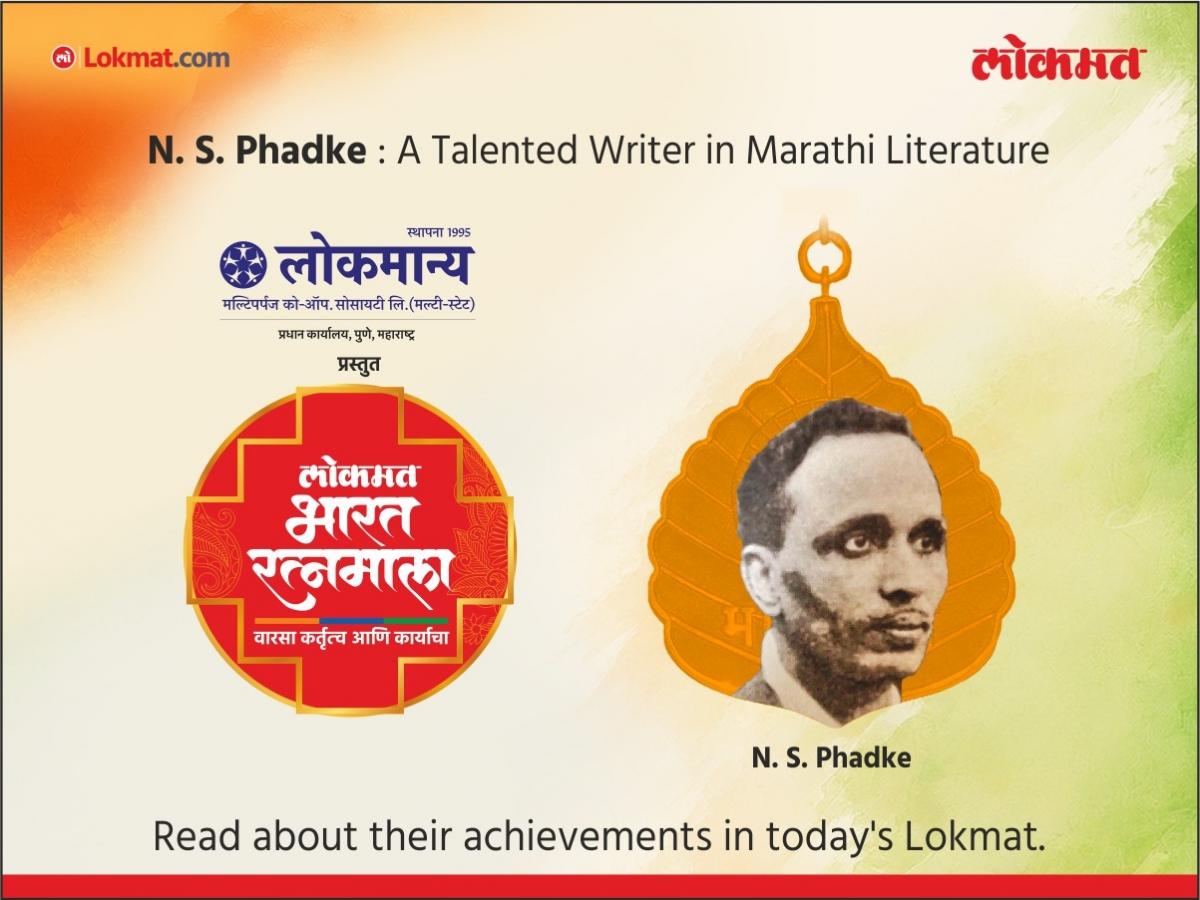
N. S. Phadke : A Talented Writer in Marathi Literature

Narayan Sitaram Phadke, popularly known as N. S. Phadke, was a distinguished literary figure who carved out a unique place for himself in the world of Marathi literature through his distinctive writing style. Born on August 4, 1894, in Karjat in Ahmednagar district, N. S. Phadke made prolific contributions to various literary genres, particularly novels, short stories, and short essays.
N. S. Phadke was not merely a writer; he also had a close association with the field of education. He served as a Professor of Philosophy at Rajaram College in Kolhapur and retired in 1949. Alongside his teaching career, he continued his literary journey with remarkable consistency. His first novel, 'Allah Ho Akbar!', was published in 1917. He went on to leave a lasting impression on Marathi readers with numerous novels, including Daulat, Kulabyachi Dandi, Jadugar, Uddhar, Kalankshobha, Jhanjhawat, Jhelum, Bhovara, Ritusamhar, Ek Hota Yuvraj, Kiti Javal Kiti Dur, and Asahi Ek Trikon!. Published in 1972, Kiti Javal Kiti Dur was his 65th novel.
The distinctive features of Phadke's stories and novels were their technically structured composition, elegance, and graceful language. An engaging opening, intricate plots, suspenseful situations, a resolution toward the end, and an effective conclusion were characteristic elements of his literary technique. He had a remarkable ability to create vivid verbal pictures of scenes and bring his characters to life through nuanced characterisation. More than twenty-five collections of his short stories were published, with 'Bavankashi' being one of the notable collections. Some of his novels and stories were translated into English as well as several other Indian languages. His novel Kalankshobha was also adapted into a film of the same name.
In 1940, N. S. Phadke presided over the Akhil Bharatiya Marathi Sahitya Sammelan held in Ratnagiri. In recognition of his significant contribution to Marathi literature, the Government of India honoured him with the Padma Bhushan in 1962. N. S. Phadke passed away in Pune on October 22, 1978, leaving behind an enduring literary legacy in Marathi literature.
Related Opinion
A note on cookies
Newshunt uses essential cookies to keep you signed in and to remember your language and country, so the site works the way you expect. With your permission, we'd also like to use analytics cookies to understand how people use Newshunt and improve it over time.
Accepting only affects analytics. To learn more, view our Privacy Policy or Terms & Conditions.
(0)Comments