


Newsday Readers
Schools must grade caring just like they do academics

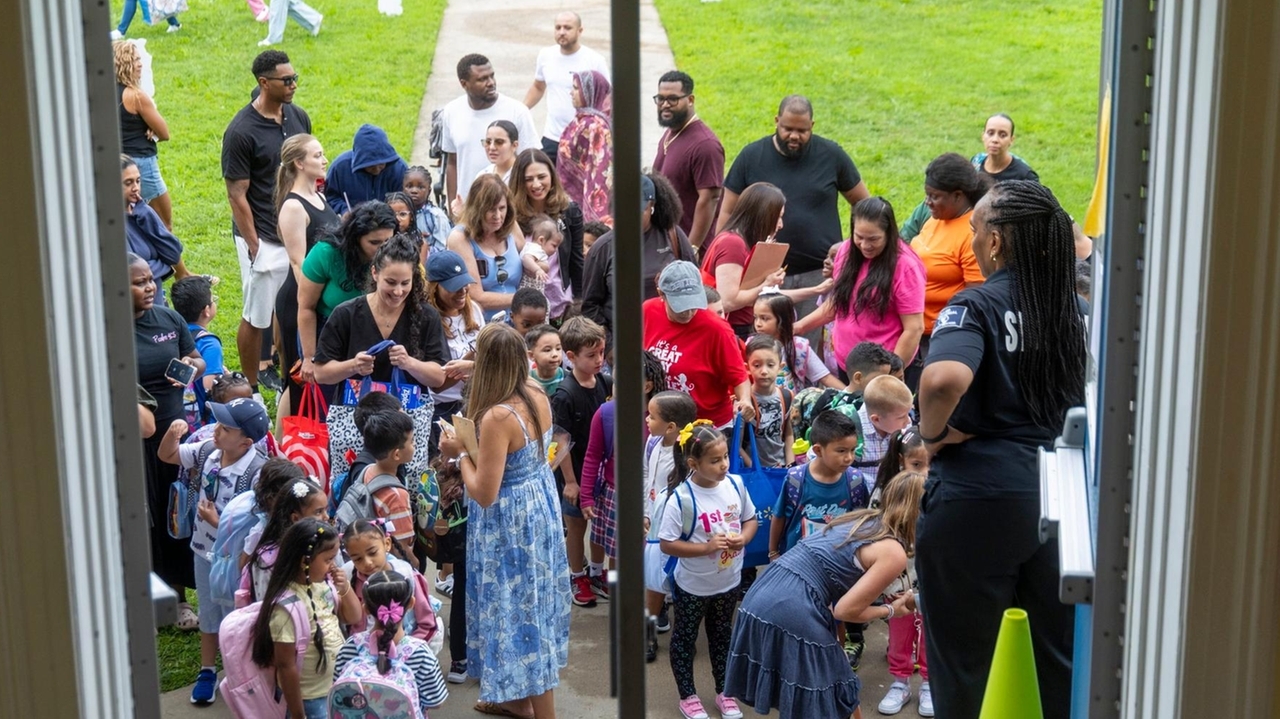
It is that time of year again, back to school. Amid students' excitement and anticipation of seeing old friends and making new ones come more sobering thoughts and concerns about returning to school — the anxiety that accompanies fitting in socially. That is no small matter for many children, and not just preteens or older students.
Bullying is a decades-long and pervasive problem in Long Island schools. Our schools are, quite simply, part of the fabric of our communities. Schools are us. They are made up of our children, and in many cases our neighbors as school employees. Bullying is a societal problem, but we look to the schools for a solution. And reasonably so, as that is where our young people spend so much of their time for so many years.
Bullying incidents have left in their wake far too much interpersonal harm and, in extreme cases, even tragic suicides among the victims of bullying and harassment. Schools have responded with anti-bullying programs, and New York State has established the Dignity for All Students Act, but the problem persists. It is time that we look more deeply and comprehensively at it.
Long Island is well known for school districts that boast stellar academic performance, but some of those very same districts have been identified as having the highest number of bullying incidents. We have demonstrated proficiency in creating strong academic programs for student performance, but apparently, we are not as adept at fostering strong, comprehensive strategies for developing civility and good citizenship among our youth.
Consider what might happen if we raised the concern for student behavior to the level of concern for academic achievement — and raised the level of assessment of students' and schools' civility and citizenship programs to those same high standards.
Sign up for the Viewpoints newsletter
A roundup of highlights from Newsday's Opinion Department.
By clicking Sign up, you agree to our privacy policy.
It is long overdue that we address the problem of bullying in a more rigorous and comprehensive manner. A statement attributed to our 26th president, Theodore Roosevelt, asserts, 'To educate a person in mind and not in morals is to educate a menace to society.' On its face that may sound extreme, but is it?
Our children are our greatest resource. They, and we, deserve a renewed push toward accountability. Our schools should be held to the same high standards for creating sustainable initiatives for civility and good moral citizenship as they are for developing outstanding programs for achieving academic excellence.
— Victor Caliman, Kings Park
Related Opinion
A note on cookies
Newshunt uses essential cookies to keep you signed in and to remember your language and country, so the site works the way you expect. With your permission, we'd also like to use analytics cookies to understand how people use Newshunt and improve it over time.
Accepting only affects analytics. To learn more, view our Privacy Policy or Terms & Conditions.
(0)Comments