


Kantipur Media Group
Address the unique needs of women amid crisis

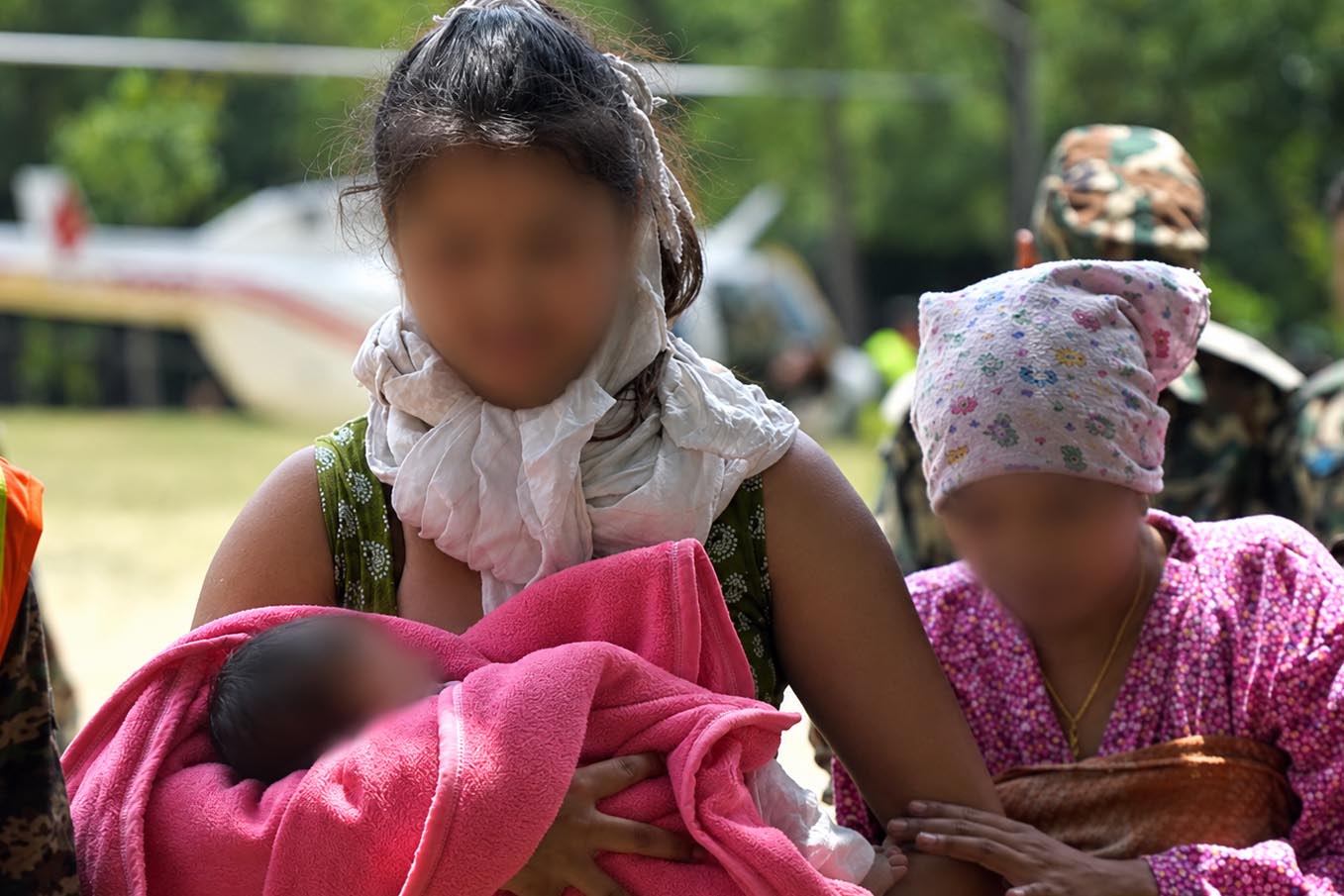
After deadly disasters, people often assume that everyone who is displaced has similar needs. The recent Bhotekoshi flash flood displaced thousands of people; they are now living in temporary settlements. Men, women, children, elderly people and the injured—all are sharing the same roof . Then there are also pregnant women, new mothers and breastfeeding mothers. For instance, at the holding centre in Bidur, Nuwakot, more than 500 of 1,000 people are women, including pregnant and new mothers . But housing women with special needs alongside others in such shelters can have serious consequences.
In crowded shelters, women lack private space to bathe, dry their clothes and breastfeed children, let alone align their nutritional intake directly around the times they breastfeed or pump. They are also exposed to poor sanitation, smoke of cigarette and the smell of alcohol. Nutritious food is vital for the well-being of both the mother and the child. But for women living in holding centres, their breast milk supply has declined, while the formula they receive is only causing discomfort to their baby. Even the food they are given doesn't meet their nutritional needs, and the ration doesn't satisfy their hunger. The sanitary pads women and young girls receive don't last through their menstrual cycle.
The situation at the Trishuli hospital is equally dire . The maternity ward is struggling to function effectively due to unreliable electricity and limited capacity to care for women who also visit the hospital for fever, reduced fetal movement and urinary tract infection during pregnancy. It is also referring some cases to other districts, but damaged roads and landslides are adding to women's woes. The unavailability of an advanced neonatal unit is also stressful. Article 38 of the Constitution of Nepal ensures women's rights, explicitly including safe motherhood and reproductive health. This right becomes non-negotiable during crises and disasters.
According to the United Nations Population Fund's initial estimate , approximately 4,430 pregnant women currently reside in areas across 15 municipalities in Rasuwa, Nuwakot and Dhading. Of them, around 492 women could give birth in the next month, with around 74 women needing emergency interventions. They must not be left unattended. The immediate priority should be keeping maternity services running at the hospital, restoring pathways, providing appropriate nutrition and creating safe, private spaces for women and children. Officials must treat women's safety and dignity as urgent and create separate spaces that meet all their needs. It is also necessary to ensure that women receive enough sanitary pads during their menstrual cycle. During pregnancy and after childbirth, mental well-being is just as vital. For women already traumatised by the loss of their family members, house and land, any trouble they have to endure in the aftermath of the disaster puts them under extra stress. Mental health support should therefore be a part of relief for these women.
In the long run, our disaster response should account for the diversity of people who need special support. Policymakers must understand that disasters disproportionately affect women and that they need special care. If relief efforts don't recognise this, they risk leaving some of the most vulnerable survivors behind.
Related Opinion
A note on cookies
Newshunt uses essential cookies to keep you signed in and to remember your language and country, so the site works the way you expect. With your permission, we'd also like to use analytics cookies to understand how people use Newshunt and improve it over time.
Accepting only affects analytics. To learn more, view our Privacy Policy or Terms & Conditions.
(0)Comments