


Opinion Staff
Dallas enters the data center debate, but Texas should weigh in

Americans' attitudes toward data centers reveal an interesting tension. They are increasingly wary of these facilities and their mechanical hum, enormous electricity demand and potential to displace farmland and space for homes and businesses.
At the same time, Americans are embracing artificial intelligence as a tool for almost everything: answering questions, drafting emails, creating images and dispensing personal advice as if a chatbot were a therapist, a doctor or close friend.
According to new data from Morning Consult, half of Americans use AI chatbots. Yet a Gallup survey found that 70% of Americans oppose constructing data centers for artificial intelligence in their community.
How can we accommodate growing demand for artificial intelligence while recognizing communities' concerns about the infrastructure powering this technology? Cities across the country are asking these questions, and Dallas is right to join the conversation.
This month, a City Council committee was briefed on data centers. City leaders are considering updating Dallas' rules for the industry.
Currently, data centers in Dallas fall under 'communications exchange facilities,' a subcategory of local utilities that houses equipment used to store and route voice and data transmissions.
That classification allows data centers by right in many industrial, commercial, office and mixed-use districts, so some projects can proceed without approval from the City Council.
These decades-old rules deserve another look as the industry changes.
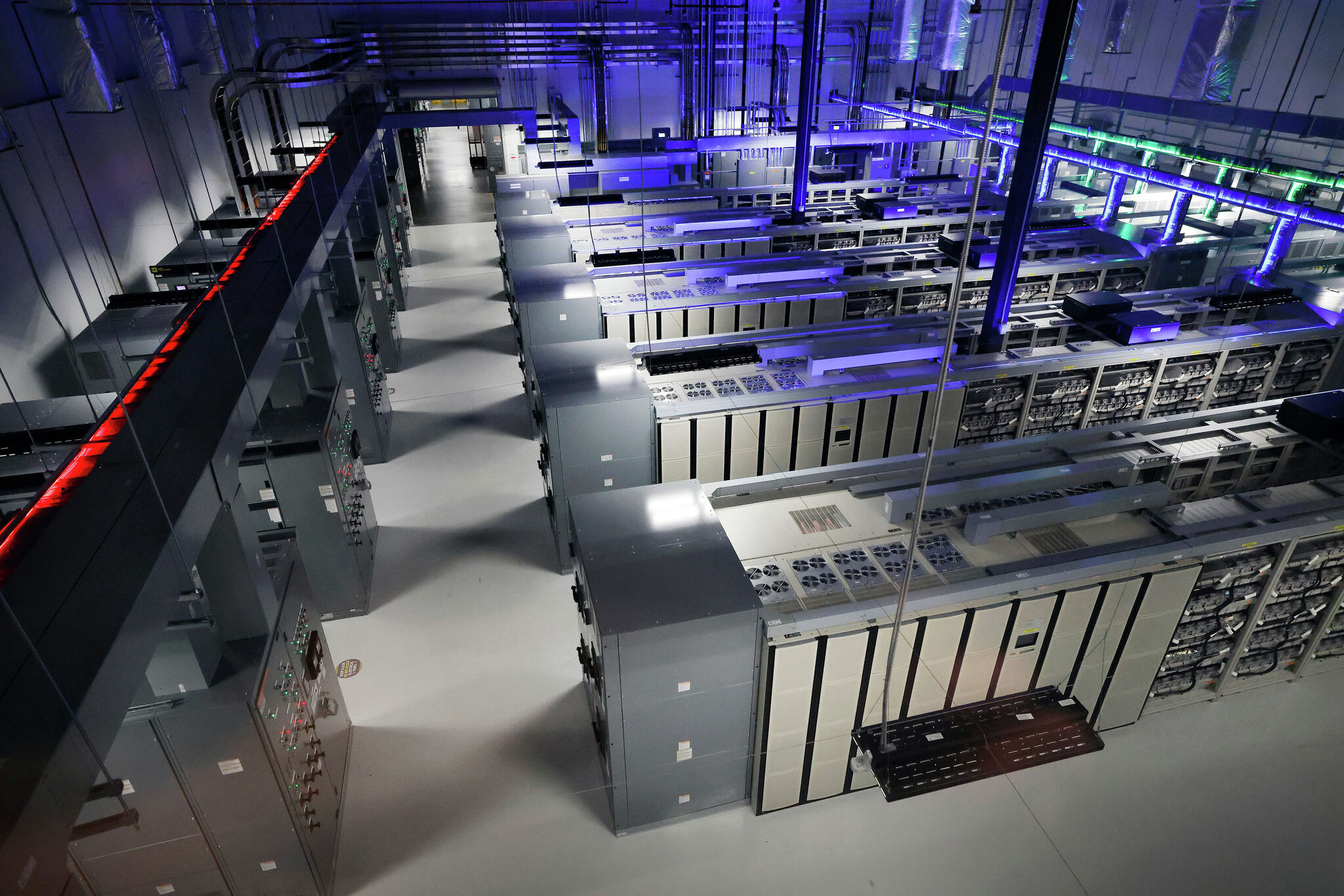
While Dallas doesn't have hyperscale facilities like those grabbing headlines in Fort Worth and Red Oak, there are 23 data centers across the city, including a cluster downtown. And more projects are likely as the industry continues to boom.
Dallas should review its rules, but cities cannot solve the data center question on their own. Allowing cities to create their own rules could produce a confusing patchwork of regulations. And nearly half of the data centers set to be built in Texas are expected to be located in unincorporated areas, falling outside city jurisdiction. County governments aren't much help in these cases because counties generally don't have zoning authority.
This is all the more reason for direction from the state.
Emily Liu, the city's planning director, put it well at a recent public briefing.
'Some of these [issues] we can regulate locally … like the land use, the zoning and the setback. Some of these are regional issues or even state,' she said.
A recent survey by the North Central Texas Council of Governments found that nearly 80% of the counties and cities that responded disagreed that their existing infrastructure could support data center development without major upgrades. Yet local leaders recognize the potential for tax revenue. Dallas' data centers generate more than $10 million a year in property taxes according to a city briefing.
Communities need to find the right balance between welcoming industry and listening to residents' concerns, and the state should help with this. Lawmakers already plan to study data center water usage and evaluate state sales tax exemptions. When the Legislature convenes in 2027, data centers should be a priority.
Related Opinion
A note on cookies
Newshunt uses essential cookies to keep you signed in and to remember your language and country, so the site works the way you expect. With your permission, we'd also like to use analytics cookies to understand how people use Newshunt and improve it over time.
Accepting only affects analytics. To learn more, view our Privacy Policy or Terms & Conditions.
(0)Comments