


Lee Cullum
I stalked, interviewed and introduced Gloria Steinem in North Texas

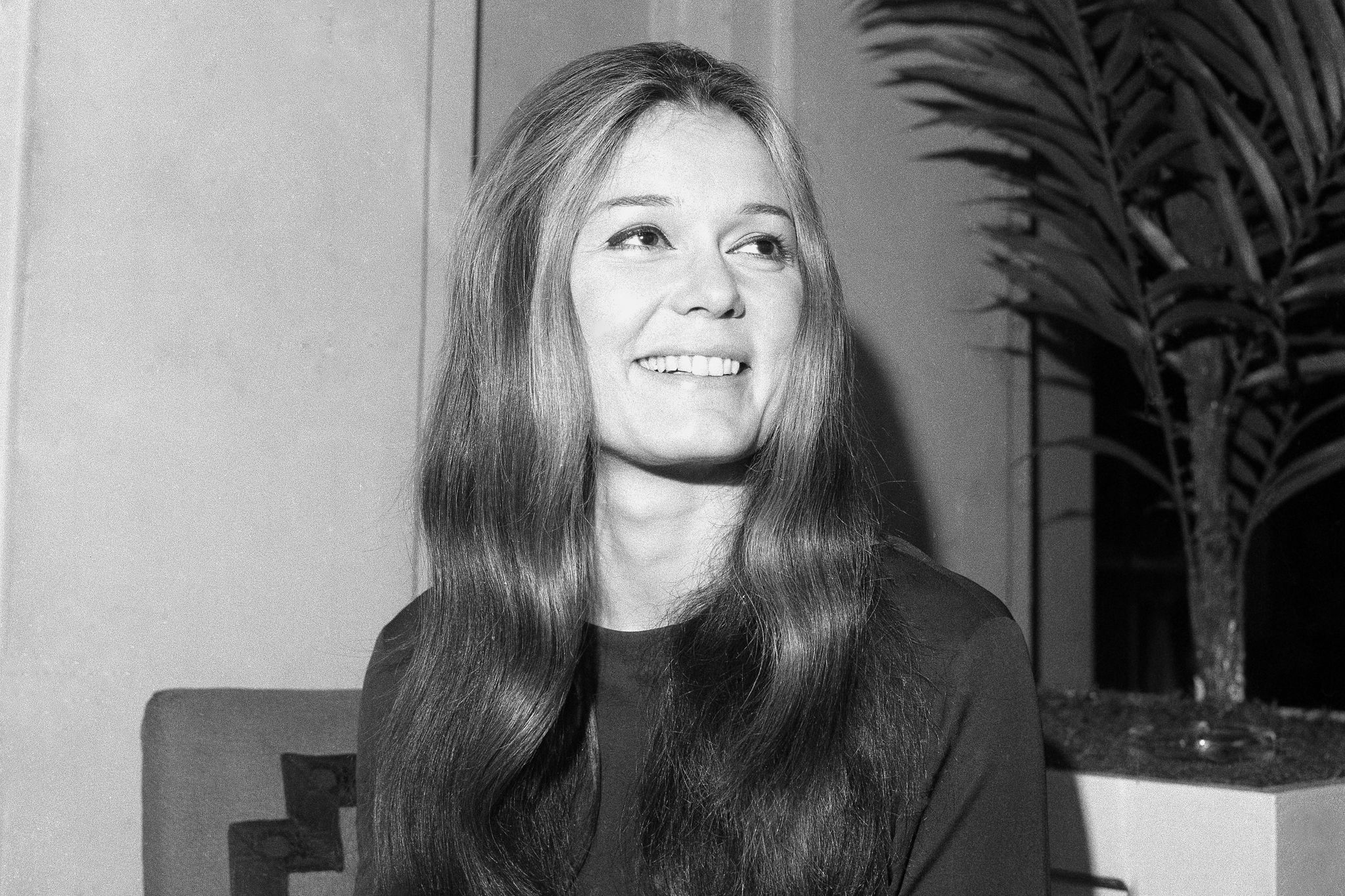
I first met Gloria Steinem when I stalked her on a plane from New York to Dallas-Fort Worth to get an interview.
Her astonishing trajectory began, as far as Dallas is concerned, at Southern Methodist University, where Steinem, not yet that well known, was to speak. The university had assigned her to one of its larger classrooms, but not nearly large enough. Women were all but falling out the windows, so jammed into that ill-suited space that suddenly seemed charged with energy, intellect, glamour and flair wholly new to their lives. What's more, she knew their lives better than they did and told them they were settling too soon for too little.
I was a reporter then for Newsroom, a program on KERA. That night I did a story on Steinem's remarkable day in Dallas. It was not easy convincing some of my male colleagues that this gathering was a big deal, that she was a big deal. It's not that they were anti-women, not at all. But how, they wondered, could a barely public figure have the charisma to galvanize women by the hundreds, soon thousands, into asking questions about things that were, well, unquestionable?
A few months later, Texas Christian University invited Steinem to speak. Eager to interview her, I tracked down the flight she was taking from New York. As it happened, I was on that flight too. Hoping to catch her, I arranged for a KERA camera crew to meet us at Dallas-Fort Worth International Airport and film a segment for Newsroom at the airport.
Boarding the plane at LaGuardia Airport, I was organizing myself in an aisle seat when who should cross over me to sit by the window but Steinem herself. I resolved to say nothing until we were about to land. After all, she deserved to be left alone and indeed did sleep for most of the flight.
Once asked, she readily agreed to an interview. She also said she had suspected I was a journalist since I spent all my time in the air underlining and clipping newspapers. Her capacity for noticing people around her, then pursuing rapport with them, was as surprising as it was impressive. No doubt this was one reason she soared so high and lasted so long.
When the flight attendant started explaining deplaning procedures, reading from a script, Steinem noted that this was a ritual designed by men to control what women are allowed to say. She also confided that equal pay for equal work was a 'sweetly reasonable' request but the economy could not afford it. Changes would have to come.
Steinem returned to Dallas when Bob Wilson, president of KERA, persuaded her to do a series with the station, probably in collaboration with her creation, Ms. magazine. She and Ronnie Eldridge, politician, activist and special events person at Ms., would fly in very late at night and leave very early in the morning, after Steinem had shot her standups. Then, with little or no sleep, except on the plane, she would be off to other command performances. It was striking to see what it took to keep her thing going.
There were other encounters with Steinem in Dallas, when I introduced her at the behest of Bonnie Wheeler at an SMU Women's Symposium (by then, the hall was much larger), and again at The Hockaday School for Liza Lee, the head of school, who invited Steinem to be a Hartman fellow. Steinem got as many laughs in both those venues as she did in that crowded classroom all those years ago.
In My Life on the Road, Steinem wrote this, 'Planning is a form of hope.' She was planning to the end, including an appearance at the Financial Times' Weekend Festival in London the week she died.
Lee Cullum is a longtime Dallas journalist.
Related Opinion
A note on cookies
Newshunt uses essential cookies to keep you signed in and to remember your language and country, so the site works the way you expect. With your permission, we'd also like to use analytics cookies to understand how people use Newshunt and improve it over time.
Accepting only affects analytics. To learn more, view our Privacy Policy or Terms & Conditions.
(0)Comments