


Scarlet Benois-Selman
At 64: choose country

As Trinidad and Tobago marked 64 years of Independence, one question kept returning to me: when a Prime Minister addresses the nation, who exactly are they addressing? The answer ought to be simple: the nation. Not the party, not a political base, not one ethnic or religious community, but the nation entire.
That distinction matters here more than almost anywhere else, because our defining national achievement has been the construction of a common society out of people with radically different races, religions and histories. In many ways, we have lived a version of the dream Mahatma Gandhi championed: coexistence without erasure or difference. That achievement should never be taken for granted and it should certainly never be bargained away for political advantage.
Yet listening to this year's Independence message, I could not shake the sense that beneath its language of national reflection lay a narrower appeal, one that spoke more intimately to a particular constituency within the governing party's base. The references to ancestral suffering, poverty and discrimination endured are not illegitimate; experienced by all, they are our history, deserving honest acknowledgment. However, Independence Day demands more of national leadership than reminding one section of the population of its wounds. It demands reminding all of us of what we share.
The Prime Minister does not speak as a representative of one community. She holds the highest office in a country belonging equally to every citizen. Yes! Some of our ancestors came through cane fields, others through oilfields, cocoa estates, docks and villages. Yes! Some endured indentureship, others slavery. These are not competing histories; they are chapters of one national story. Altogether, our 1962.
This is where Gandhi's example still instructs us: unity never requires uniformity. A nation can hold big religious and cultural differences without asking citizens to surrender who they are. Our Hindus need not stop being Hindu to be Trinidadian; our Muslims, our Christians, need not surrender faith to belong. African heritage does not diminish Indian heritage, nor does the reverse, and neither diminishes the contributions of our Chinese, Syrian, Lebanese, European or other communities. We are not required to erase our differences to become one people. We are only required to refuse to turn those differences into weapons: Discipline, Production and Tolerance.
History warns us what happens when leaders discover that identity can be converted into political currency. Nelson Mandela inherited a South Africa scarred by racial oppression that could easily have birthed a politics of revenge. Instead, he understood that leadership meant building a united future for former enemies, not simply representing his own people's grievances. He did not deny history; he confronted it but refused to let it become a permanent prison. Remember the past, but do not weaponise it. Acknowledge injustice, but do not cultivate permanent grievance. 'Digging hole for one, dig one for yourself' kinda mentality.
Hans Christian Andersen's 'The Emperor's New Clothes' offers its own political wisdom here. The emperor believes himself magnificently dressed while everyone around him, too afraid or too invested in his favour, withholds the truth until a child finally says what everyone already knows. The story is not about clothing; it is about power and about what happens when leaders are surrounded only by applause. Advisers grow agreeable, supporters grow unquestioning, dissent starts to look like betrayal and eventually a leader can no longer tell loyalty from honest speech, too, stripping away more than any garment. All yeses are welcomed and nos are frowned upon as disloyalty or undermining. When one's own supporters cheer, it does not prove the message was national. It may only prove the audience heard what it wanted to hear. All yeses are welcomed and nos are frowned upon.
That is why phrases like 'her people' should concern us all. A Prime Minister may have a political base, but the people of Trinidad and Tobago belong to no leader; they belong to themselves and to the Republic. Independence Day is not a rally; it should leave political supporters, the person who backed neither, the Hindu, the Muslim, the Christian, the African, the Indian, all recognising the same truth: we inherited one country, not several.
So perhaps the deeper question this Independence season is not who the Prime Minister was speaking to, but who we are listening as—party loyalists, ethnic constituencies, religious blocs, or citizens of one Republic? Leaders and parties will come and go, but the country must endure.
There is a story, perhaps apocryphal, about our second president, Noor Mohamed Hassanali, who was asked during a cricket match between Trinidad and Tobago and India whom he supported. His reported answer: 'Trinidad and Tobago, of course.' Whether it happened matters less than the principle it carries. Choose country before party or race.
Gandhi taught us coexistence. Mandela taught us reconciliation. Hassanali, fact or folklore, taught us a simple lesson: when tribe and country diverge, choose the country. And the emperor reminds us that when the emperor is naked, someone must have the courage to say so.
At 64, we need leaders who remind us of what binds citizens, and citizens who are brave enough to listen critically rather than applaud blindly. Let no leader divide what generations have laboured to unite. At 64: choose country.
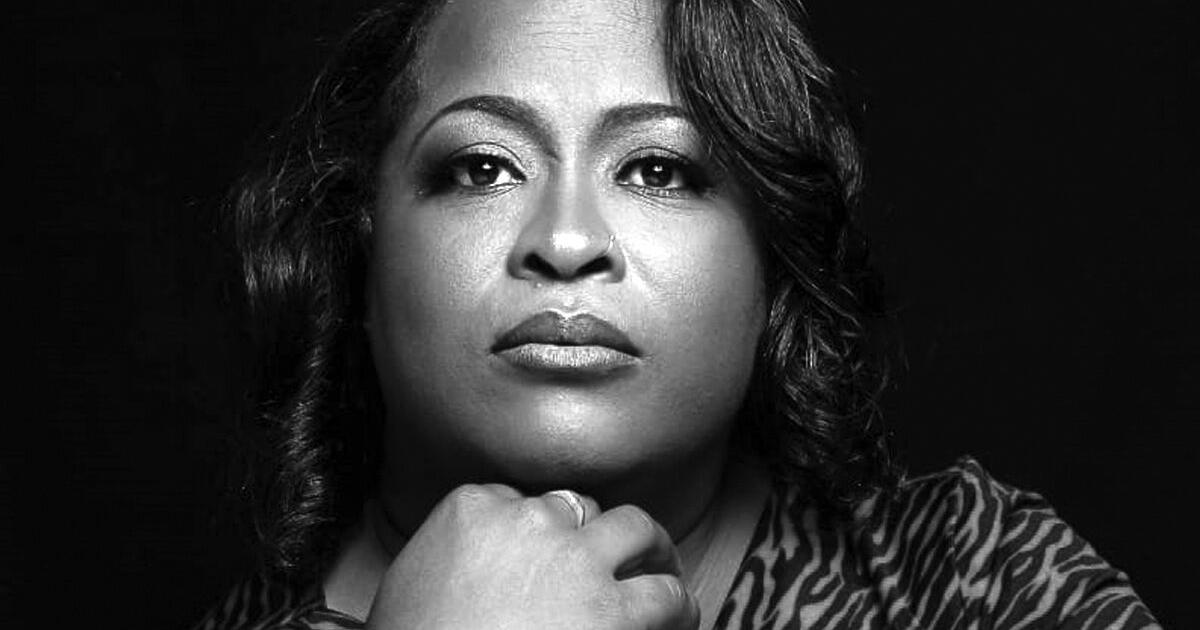
—Scarlet Benois-Selman is an educator, author and advocate for equity.
Related Opinion
A note on cookies
Newshunt uses essential cookies to keep you signed in and to remember your language and country, so the site works the way you expect. With your permission, we'd also like to use analytics cookies to understand how people use Newshunt and improve it over time.
Accepting only affects analytics. To learn more, view our Privacy Policy or Terms & Conditions.
(0)Comments