


Armstrong Williams
The Poisonous Power of Gossip

Gossip and misinformation can damage reputations, deepen division and weaken trust in institutions. But accountability based on evidence must be distinguished from condemnation based on rumour, writes Armstrong Williams.
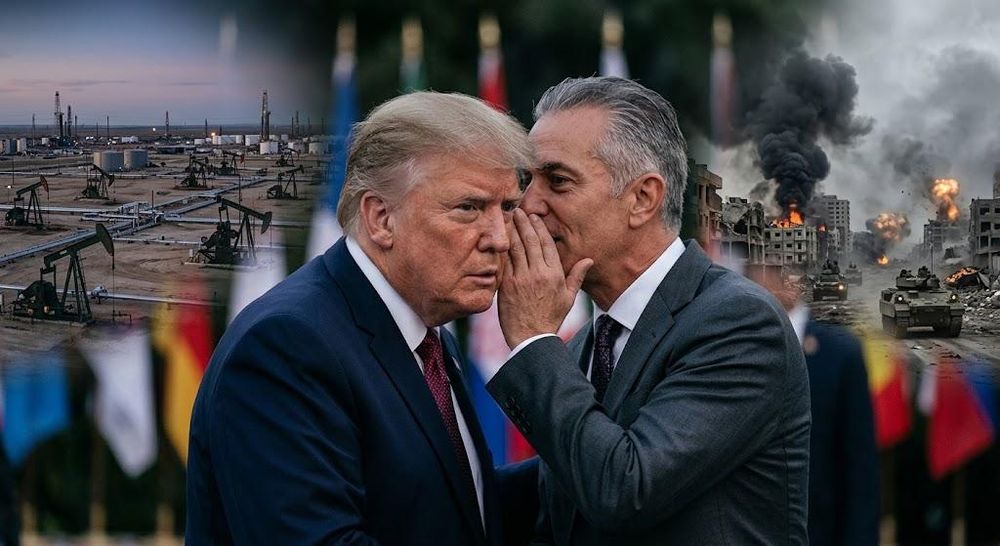
Image: Gemini AI
Gossip is among the oldest and most destructive forms of human power. It requires no office, title, evidence or accountability. All it needs is a willing tongue and a receptive ear. Once released, gossip travels faster than truth, settles more deeply than facts and leaves wounds that apologies rarely heal.
What makes gossip especially dangerous is that it does not have to be true to be effective. A lie repeated often enough can begin to feel like common knowledge. A suspicion whispered by one person can become a verdict pronounced by many. By the time the truth appears, the damage may already be permanent: a reputation destroyed, a friendship broken, a family divided or a career derailed.
Propaganda operates the same way, only on a larger scale. Gossip targets individuals; propaganda targets communities, institutions and nations. Both manipulate emotions, exploit fears and reward those who speak with certainty even when they possess no facts. Their purpose is not to enlighten but to influence to determine whom we trust, whom we condemn and whom we no longer consider worthy of being heard.
History teaches us that nations can be weakened and even destroyed when lies become more powerful than truth. Rumours have inflamed ethnic hatred, provoked violence, justified persecution and turned neighbours against one another. Propaganda has persuaded ordinary citizens to view fellow human beings as enemies. Once distrust becomes deeply rooted, facts lose their authority and social order begins to collapse.
The same poison can undermine government institutions. Democracies depend not upon blind faith in government, but upon a basic confidence that courts, elections, law enforcement agencies and public officials remain accountable to facts. When every decision is presented as a conspiracy and every institution is accused of corruption without evidence, citizens may stop believing anything at all.
That cynicism is dangerous. It allows genuine wrongdoing to hide within a fog of false accusations, because people can no longer distinguish a documented scandal from a manufactured one. Governments must earn public trust through honesty and transparency, but citizens and media figures also have a duty not to destroy that trust recklessly.
Social media has transformed gossip into an industry. A rumour that once travelled around a neighbourhood can now circle the world within minutes. A misleading headline, edited video or anonymous accusation can reach millions before the person being targeted has an opportunity to respond. People share first and investigate later. Outrage becomes entertainment, humiliation becomes content and another person's suffering becomes a source of attention.
Gossip gives people a sense of power. The person spreading it becomes the centre of the conversation, appearing important because they possess information others do not. Whether that information is true becomes secondary to the influence it provides. Yet this is counterfeit power. It is gained by weakening someone else and sustained by the willingness of others to believe the worst without evidence.
One of the cruelest habits in our culture is defining people by their worst moment while ignoring their best ones. A person may spend decades helping others, loving a family, building a career and serving a community. Yet one mistake or one allegation can suddenly become the complete definition of that life.
We remember the failure but forget the sacrifice. We preserve the accusation but dismiss the accomplishments. We imprison people inside a single moment and deny them the dignity of growth, change and redemption.
This does not mean ignoring wrongdoing. Truth matters. Accountability matters. Victims deserve to be heard, and harmful behaviour must have consequences. But accountability based on evidence is not the same as condemnation based on gossip. Justice seeks facts, proportion and responsibility. Gossip seeks excitement, influence and destruction.
Every human being has experienced moments they regret. None of us would want our entire life measured by our poorest decision, harshest word or weakest hour. If we demand grace for ourselves while refusing it to others, we are not pursuing justice we are practicing hypocrisy.
Gossip is poisonous not only to its target but also to those who spread and consume it. It trains the mind to search for scandal and the heart to take pleasure in another person's fall. It destroys trust because everyone listening knows that, eventually, they may become the subject of the next conversation.
Once words are released, they cannot always be recovered. A correction rarely travels as far as the original lie. An apology cannot restore every relationship, career opportunity or measure of peace that was taken away.
We must therefore become more disciplined with our words and more skeptical of those who profit from division. Before repeating a damaging story, ask: Is it true? Is it necessary? Do I know the complete context? Am I protecting someone or merely making myself feel powerful?
Gossip can destroy a life. Propaganda can divide a nation. Reckless accusations can shatter trust in the institutions that hold society together. Our words can poison or heal, distort or clarify, imprison people within their worst moments or acknowledge their failures while still celebrating their best.
Speak carefully. Verify the truth. Judge honestly. And never use another person's pain or a nation's trust as the price of your own power.
Gossip and misinformation can damage reputations, deepen division and weaken trust in institutions. But accountability based on evidence must be distinguished from condemnation based on rumour, writes Armstrong Williams.
Image: IOL
* Armstrong Williams is the manager and Sole Owner of Howard Stirk Holdings I & II Broadcast Television Stations and the 2016 Multicultural Media Broadcast Owner of the year.
** The views expressed do not necessarily reflect the views of IOL.
Related Opinion
A note on cookies
Newshunt uses essential cookies to keep you signed in and to remember your language and country, so the site works the way you expect. With your permission, we'd also like to use analytics cookies to understand how people use Newshunt and improve it over time.
Accepting only affects analytics. To learn more, view our Privacy Policy or Terms & Conditions.
(0)Comments