


Pranjya Grover
I lived in Satya Niketan as a student. The building collapse is a tragedy, not a surprise

As a student from Lucknow, I worked towards a dream — a seat in Delhi University. The university is a symbol of possibility for many who couldn't otherwise afford it. Despite the city's reputation, parents nurture their child's dream because of its promise. They eagerly accompany their child to look for a 'home away from home'. I remember my parents' faces dropping as soon as they entered the clutter and squalour of the Satya Niketan area. For the 17-year-old me, the dirt and congestion didn't matter as much. I had cinched a seat in Jesus and Mary College in the Psychology Department and was over the moon. I had also known that this is all that my family could afford in the South Delhi neighbourhood. All I could imagine was how I could transform this matchbox-sized room into 100 square feet of cool. So I stacked books, put up fairy lights, and filled my walls with posters and keepsakes.
In hindsight, what I was really trying to do was to replace the claustrophobia with things that would soften the harshness of returning to a suffocating room with no ventilation or sunlight. It would soften the reality that I'm paying upwards of Rs 12,000 in rent (which was about the same as my annual college fees) and sharing a 'queen' bed, one tiny toilet, and a small desk, of which the chair collided with the bed the moment you stood up.
My beloved roommate (whose hometown was Kota) and I made the best out of the living situation; not because we enjoyed it but because that was our only option. We both took turns falling sick; typhoid was a frequent visitor in the lanes of Satya Niketan. We romanticised the rooms as 'cosy'. This is the precise vulnerability of a student's life that builders take advantage of. Low-income families don't just pay monetary debts; sometimes, like what happened this week in Satya Niketan, the cost is their child's unlived life.
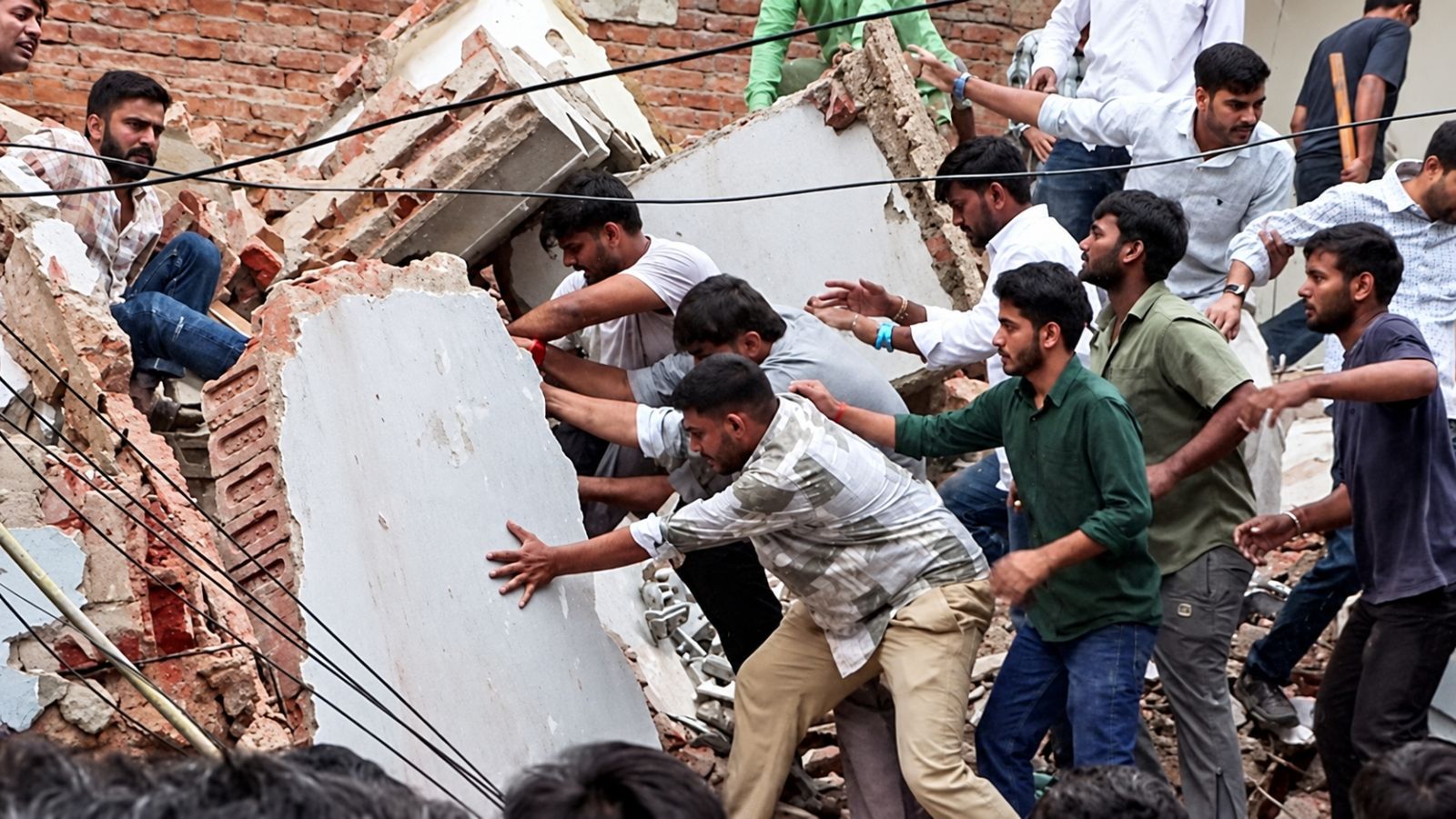
It always seemed to me — as a student and now as a citizen — that we are invisible to the city's powerful. Their remarkable capacity and resilience to turn disaster into opportunity work for builders. This is why, when I heard of the building collapse in Satya Niketan, which has already claimed seven lives and injured others, I wasn't surprised. Because the tragedy of a student trapped in rubble, crying for help, is not only a heartbreaking image but also one that speaks of something familiar — a dangerously flawed ecosystem: Of recurrent negligence, collusion of private owners with civic officials at all levels, and the normalcy of damage control that overrides precautionary measures.
I wonder what this tragedy would mean for students who come after me. What it would mean for the students currently residing in that neighbourhood. How do you resume everyday life knowing that the very roof above your head — your supposed home away from home — can collapse any moment? That help is incredibly far, be it their guardians in faraway hometowns or actual on-ground help. At least I have the privilege of distance today. For those who stake their hopes on these systems, the risk, and the price they pay, is their mental and physical health and future.
'Satya Niketan' literally translates to 'Home of Truth' — that is a misnomer if there were ever one.
The writer is a counselling psychologist
Related Opinion
A note on cookies
Newshunt uses essential cookies to keep you signed in and to remember your language and country, so the site works the way you expect. With your permission, we'd also like to use analytics cookies to understand how people use Newshunt and improve it over time.
Accepting only affects analytics. To learn more, view our Privacy Policy or Terms & Conditions.
(0)Comments