


The Goan Network
Unappetising trends in the country

A WhatsApp post I received a few days ago resonated deeply with me, as it perfectly illustrated contemporary dietary habits.
'Swiggy, Zomato, Blinkit & Zepto generated a combined revenue of Rs 35,000 crore last year. That's the industry we created by not cooking our own food at home and the desire for getting things in 10 minutes.'
Food is no longer just fuel! It has become a central pillar of modern identity, cultural, and social connection. For younger generations, food culture often takes precedence over other traditional status symbols or luxury goods.
Food has come to rule modern culture. It serves as an accessible, affordable gateway to global travel and diverse traditions. Priorities have shifted from owning physical items to collecting memorable culinary experiences.
Visually striking meals have driven engagement on various social media platforms.
It is said that Millennial and Gen Z travelers are increasingly turning vacations into dedicated culinary bucket lists, prioritizing local food and immersive dining experience over traditional sightseeing and souvenirs.
News reports about food delivery gig workers in the State coming under government scrutiny brings into sharp focus the lack of formal oversight regarding worker identification, health safety standards, and vehicle compliance in the rapidly expanding platform economy.
While the lack of formal background checks of a significant number of delivery agents and vehicles and influx issue is a matter for the police and transport authorities to handle; the concerns being raised over the absence of mandatory medical screenings or valid health cards to ensure workers handling food are free from communicable diseases gives a new twist to the whole issue.
This critical gap in the food delivery ecosystem bypasses standard food safety protocols and introduces distinct operational and public health risks.
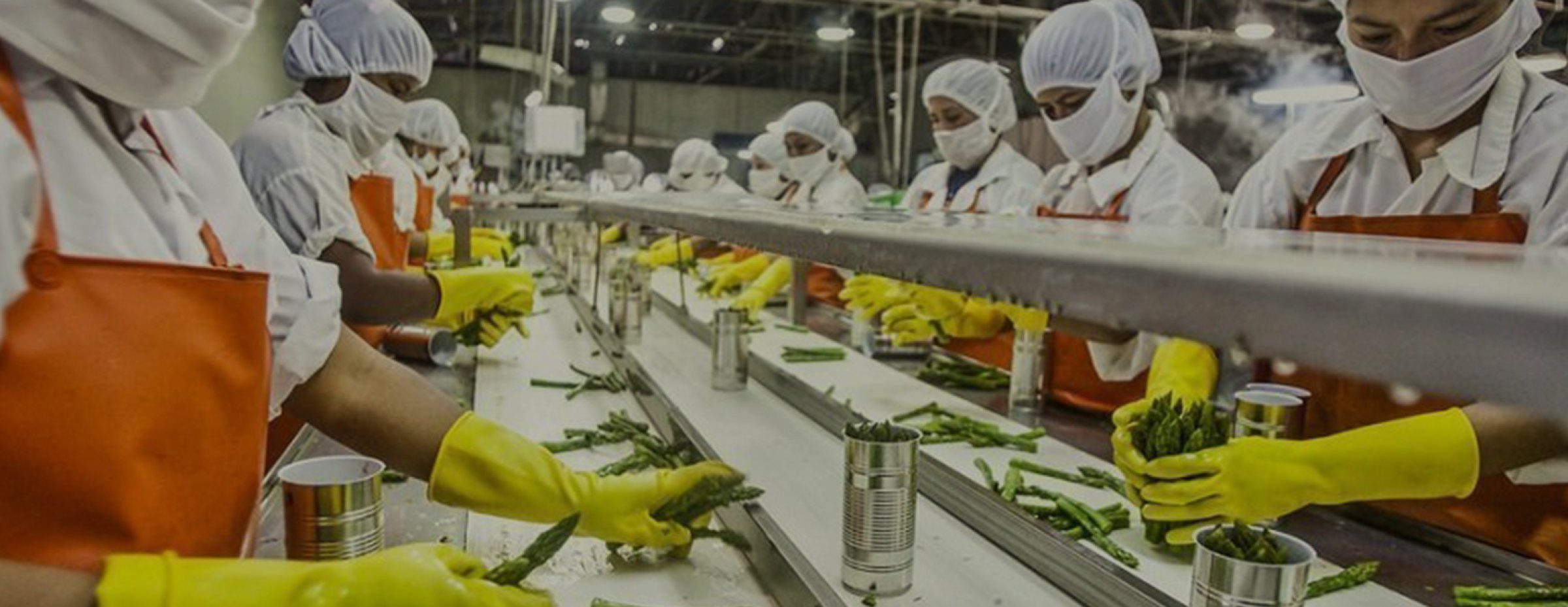
While traditional restaurant workers face strict oversight, gig-economy couriers frequently operate in a regulatory grey zone. Without formal training or health screenings, there is no verification that agents follow basic sanitation protocols.
When institutional safety nets fail, human health is always the ultimate invoice. Whether through contaminated water, unsafe food, or broken medical systems, the human body acts as the final biological ledger for policy failures.
Does this mean food safety measures are taking a backseat these days!
Indian Railway Catering and Tourism Corporation (IRCTC) fined a food service provider Rs 5 lakh after more than 30 students fell ill with suspected food poisoning from pantry car food on the 'Mangala Lakshadweep Express' (Train No 12618) travelling from Hazrat Nizamuddin (Delhi) to Ernakulam (Kerala).
The recent incident speaks volumes about the persistent breaches in onboard catering hygiene and the urgent need for rigorous, unannounced food safety checks across long-distance Indian Railways routes.
It also highlights how commercial kitchens and pantry cars can fail basic food storage and preparation safety standards.
But that is not to say that the food and eatables hawked by vendors on trains satisfy all safety standards. In fact, buying food from unauthorized or unverified hawkers on trains are generally unsafe and carries high risks of food poisoning, contamination, and adulteration.
It is rightly said that when one is rushing to catch a train, finding a safe and decent meal can feel like a gamble. Railway stations, without exception, are notorious for crowded stalls, limited options, questionable hygiene, and inflated prices.
With recurring incidents of pest infestations, improper storage, and contaminated water use putting a big question mark over food hygiene, railway stations have historically struggled with food hygiene.
However, the railways have apparently countered this menace by introducing digital alternatives to help passengers bypass platform food altogether.
Assailed by the country's current deluge of online food delivery and quick-commerce market, doubts over the rapid market growth straining quality control has however been allayed by the triggering of unprecedented regulatory action and public accountability.
It is quite obvious that food safety measures are experiencing a massive, highly publicized resurgence and intense regulatory scrutiny.
In India, the Food Safety and Standards Authority of India (FSSAI) is the apex national regulatory body for food safety, while state-level Food and Drug Administration (FDA) departments act as the ground-level enforcement agencies that execute these laws.
However, it is argued that the current efforts by the FSSAI and state FDAs are not fully sufficient to completely curb global and domestic food safety issues.
While both agencies have introduced highly advanced, modern frameworks, a massive gap remains between the creation of regulations and the practical on-the-ground enforcement required to completely eradicate contamination, adulteration, and misleading marketing.
The Food Safety and Standards Authority of India, it is claimed, operates in one of the most complex food ecosystems in the world, trying to manage everything from corporate multi-nationals to millions of unorganized street vendors.
The FSSAI has initiated a sweeping enforcement campaign against deceptive food marketing and outdated packing, rolling out aggressive labelling reforms.
The ban imposed on absolute and scientifically unverifiable claims is further proof that consumer protection and advertising standards are evolving to prioritize factual transparency.
Furthermore, initiatives like the 'Clean Street Food Hub' aim to train millions of street vendors in basic hygiene rather than just penalizing them. Yet, is that enough!
Presumably, over 80% of India's food market is informal. Standard monitoring apparently requires a robust network of Food Safety Officers (FSOs). But severe resource and staff shortages experienced by the organization means that thousands of small eateries go uninspected for years.
This resource gap is a critical challenge for public health, as traditional, centralized enforcement cannot scale to match millions of informal vendors.
Moreover, while the central FSSAI sets the policies, individual states are legally responsible for day-to-day enforcement. This creates massive inconsistencies in how laws are applied across different regions.
Will India's food safety ecosystem shift from pure enforcement to a decentralized, tech-driven, and community-led model address this issue?
Related Opinion
A note on cookies
Newshunt uses essential cookies to keep you signed in and to remember your language and country, so the site works the way you expect. With your permission, we'd also like to use analytics cookies to understand how people use Newshunt and improve it over time.
Accepting only affects analytics. To learn more, view our Privacy Policy or Terms & Conditions.
(0)Comments