


Navina Jafa
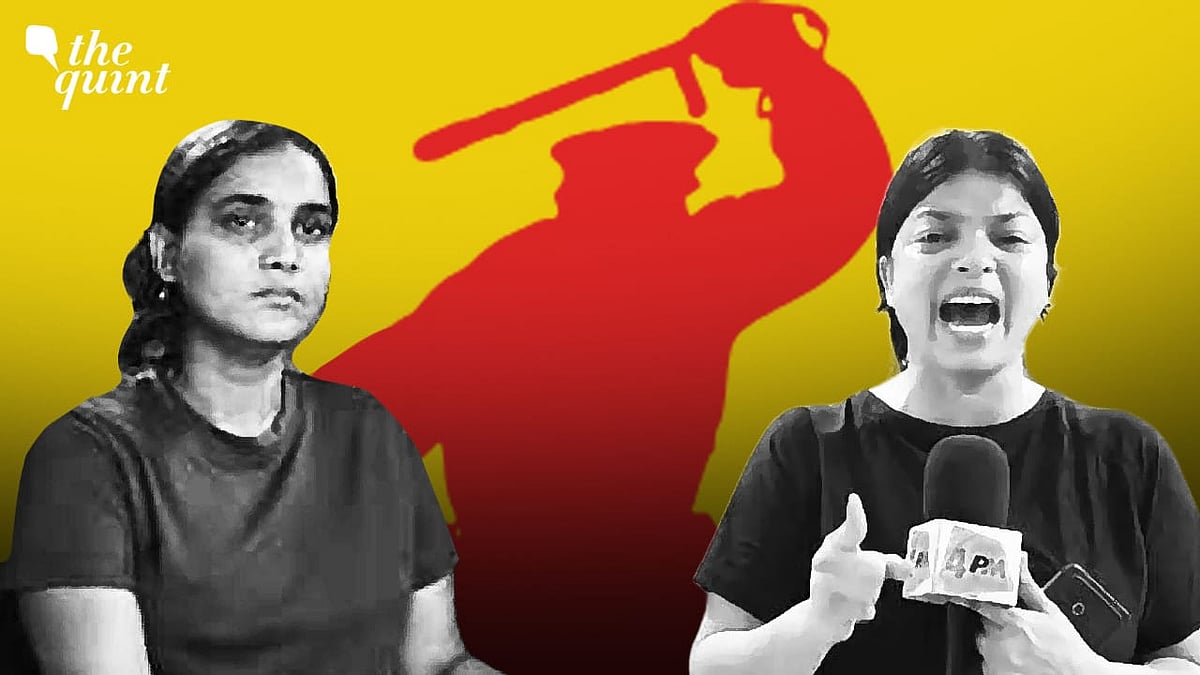
Assaulted, Not Silenced: Muslim Women Journalists Who Refused to Be Intimidated

India stands 176th among 177 countries in the 2026 Environmental Performance Index, near the bottom of a measure of environmental performance. Yet, as physical forests vanish, another forest is taking root, one aspiring to outgrow and move the regime.
The Indian citizen forest is growing and is dynamic. Made of women in patriarchal society who stand to speak, of minorities who refuse permanent placement in the dock of public suspicion, of journalists who continue to ask questions after questioning has been renamed provocation; and officers who still remember that a uniform does not suspend conscience.
The image summons the 17th-century play by Shakespeare, Macbeth, a tragedy of blinded ambition and the grotesque stupidity that power acquires when it believes its own propaganda. 'King' Macbeth had climbed to power through murder, but the fog of his mind echoed the witches' prophecy: he would remain invincible until Birnam Wood moved towards his palace-fortress on Dunsinane Hill. Macbeth treated this as an impossibility. A forest could not march; trees could not walk to a king's door. Yet, the forest did move, because dissenters carried its branches in their hands.
So, as Indian students continue to march and journalists join many other groups, each carrying a branch, the prophecy becomes real for authoritarian power in India, not through magic, but through organised human action. Power mistakes managed headlines for consent, televised applause for loyalty and public silence for surrender. But silence was only the pause before people began carrying the branches. A forest needs no legs to walk. It needs hands.
Related Opinion
A note on cookies
Newshunt uses essential cookies to keep you signed in and to remember your language and country, so the site works the way you expect. With your permission, we'd also like to use analytics cookies to understand how people use Newshunt and improve it over time.
Accepting only affects analytics. To learn more, view our Privacy Policy or Terms & Conditions.
(0)Comments