


James David Spellman
AI titans' ‘circular deals' are starting to look like ‘daisy chains'

The 'circular deals' among AI titans increasingly resemble the 'daisy chains' of the 1980s savings-and-loan crisis.
Forty years ago, interconnected transactions obscured the dangers, multiplied systemic risks and helped inflate asset values before roughly a third of US thrift banks failed. Today's financial engineering – an incestuous ecosystem of interlocking multi-year commitments to provide financing, buy semiconductors, secure gigawatts of power and lease data centres – could meet a similar fate, especially if revenue fails to outpace costs or a black swan event eviscerates artificial intelligence (AI) trajectories.
OpenAI has struck deals with Nvidia , CoreWeave and others ahead of an initial public offering planned for next year while competitors Anthropic and xAI have pursued similar agreements. Anthropic's US$35 billion cloud-computing deal with provider Lambda is the latest example. Last month, the AI developer signed a US$45 billion arrangement with another Nvidia-backed neocloud, Nscale, to rent data-centre capacity.
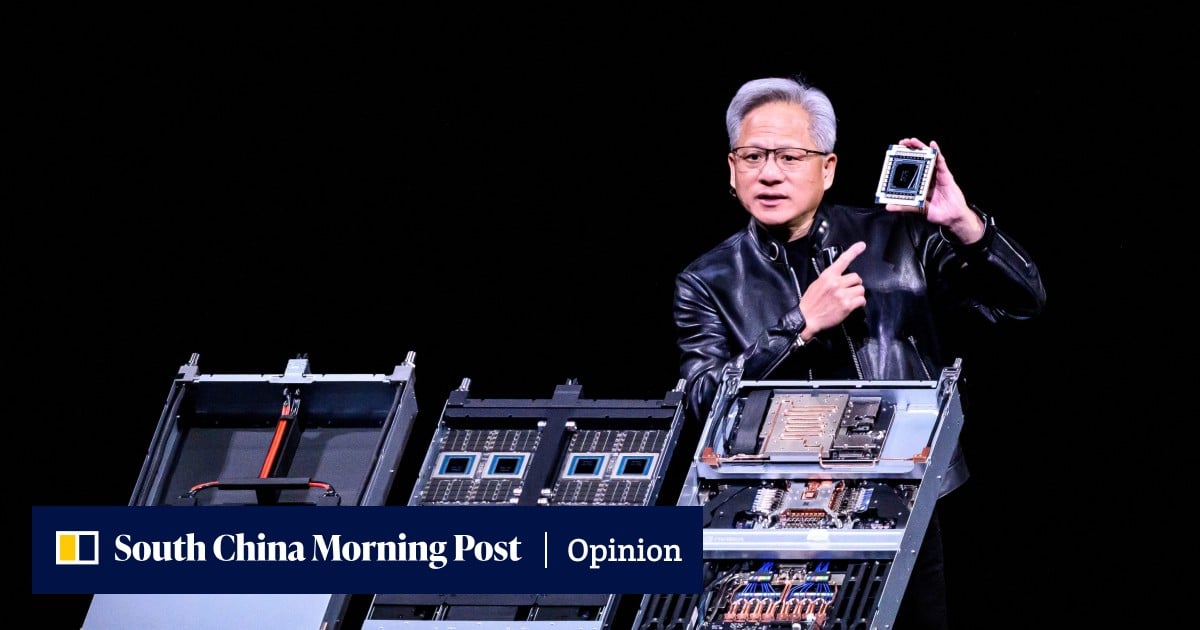
Nvidia is involved in more than US$750 billion worth of AI investments, financing deals and partnerships, according to PitchBook. Demand from AI labs receiving Nvidia financial support will account for roughly a quarter of the company's business next year, CFO Colette Kress said.
The rash of AI investments is unprecedented in scale – 4.5 times the level three years ago, according to Bank for International Settlements data. This raises a question: how much of the industry's extraordinary growth is being financed by the same companies benefiting from it?
Meanwhile, hidden risks are colliding with a borrowing binge well under way. The five largest hyperscalers carry roughly US$1.65 trillion in debt through special purpose vehicles and other off-balance-sheet structures, exceeding the US$1.35 trillion they report directly, according to Nikkei.
Related Opinion
A note on cookies
Newshunt uses essential cookies to keep you signed in and to remember your language and country, so the site works the way you expect. With your permission, we'd also like to use analytics cookies to understand how people use Newshunt and improve it over time.
Accepting only affects analytics. To learn more, view our Privacy Policy or Terms & Conditions.
(0)Comments